
Radar Speed Signs vs. Traditional Speed Enforcement: What’s More Effective?
Speed control plays a major role in keeping roads safe for everyone — drivers, pedestrians, workers, and other road users. For years, traditional speed enforcement like police radar, stop signs, speed limit signage, and occasional traffic stop checks have formed the backbone of speed management.
But newer tools like radar speed signs (often trailers or portable displays) are changing the landscape of traffic signage and road safety. The question many engineers, municipalities, and traffic planners ask is: which works better? A portable sign that displays driver speed in real time, or conventional speed enforcement methods?
In this article, we’ll examine how radar speed signs compare with traditional enforcement methods; we’ll explore the strengths, limitations, cost, long-term impact, how they fit when paired with Construction Signs, Construction Traffic Signs, or Road Construction Traffic Signs, and ultimately we’ll draw a conclusion about which method offers the most sustainable effectiveness.
Traditional Speed Enforcement: How It Works and What It Delivers

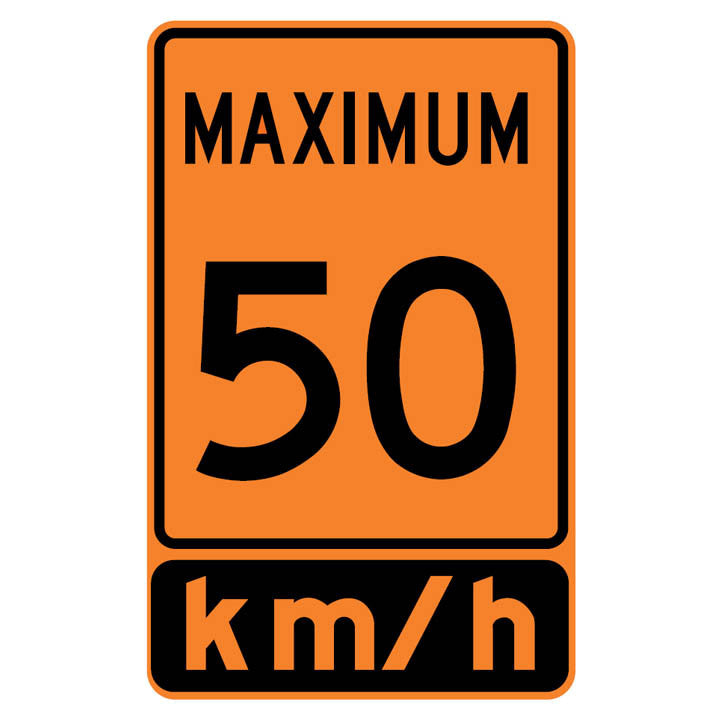
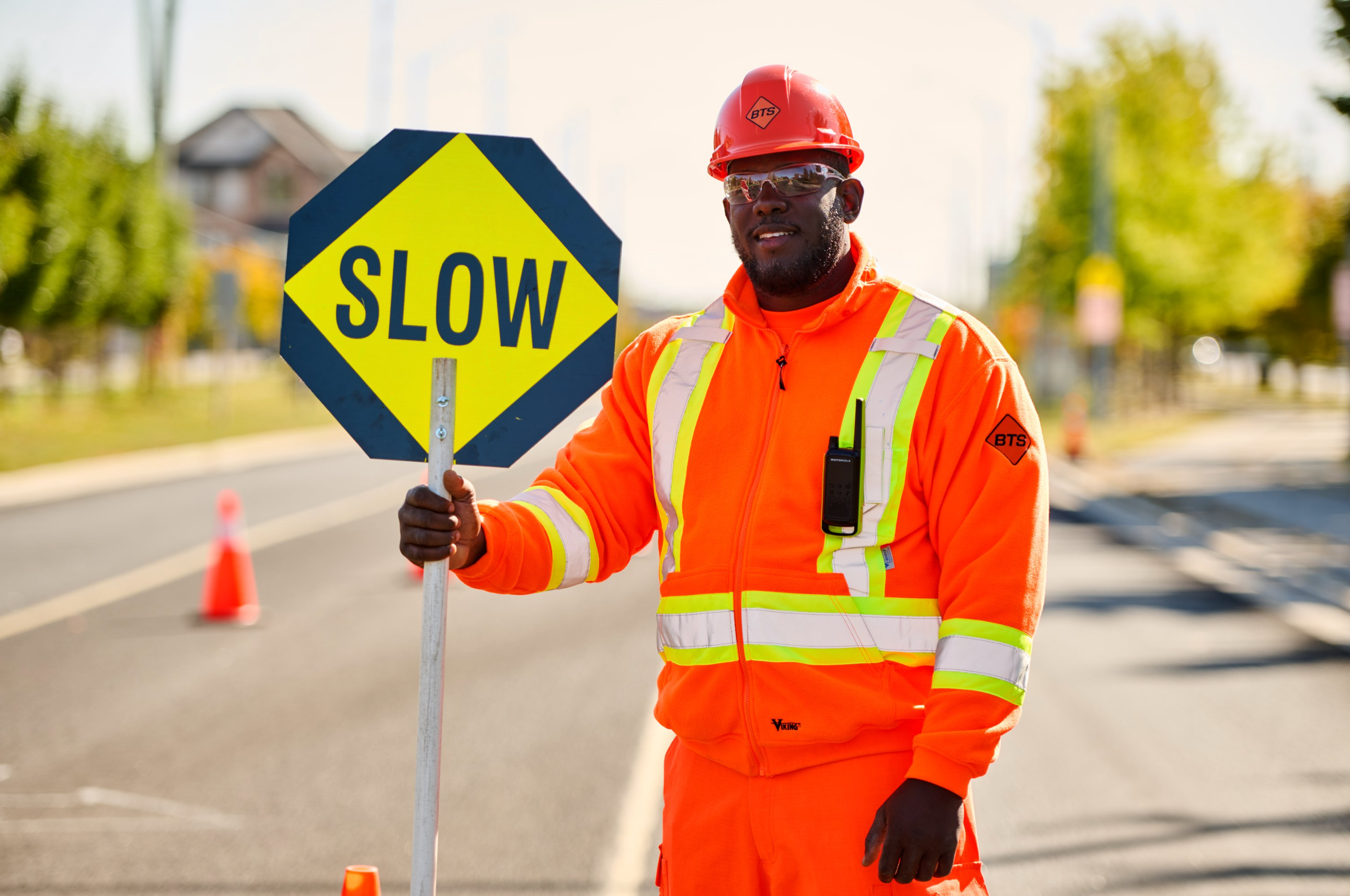
Traditional speed enforcement usually involves police or traffic control officers monitoring vehicle speeds, using equipment like radar guns or lidar, issuing citations for speeding, and relying on the deterrent effect of potential fines or tickets. On the road you will also often see speed limit signs, stop signs, warning sign banners, and static traffic signage telling drivers the posted limit or caution ahead. In construction zones, Construction Signs and Construction Traffic Signs supplement enforcement by indicating work zones, changed traffic patterns, reduced speeds, and placing legal responsibility for compliance.
The theory behind traditional enforcement is simple: knowing that a ticket is possible makes drivers obey the posted speed limit. However, enforcement can be inconsistent. Officers cannot monitor all roads all the time. On many highways or rural roads, there are long stretches without visible enforcement presence.
Drivers may slow only when they see an enforcement vehicle, then speed again afterward. Speeding remains a leading cause of crashes and severe injuries, especially in zones where workers or pedestrians are present. Because enforcement relies on detection and penalty, it often reacts after the fact rather than preventing risk proactively.
Radar Speed Signs: How They Work and Why They Matter

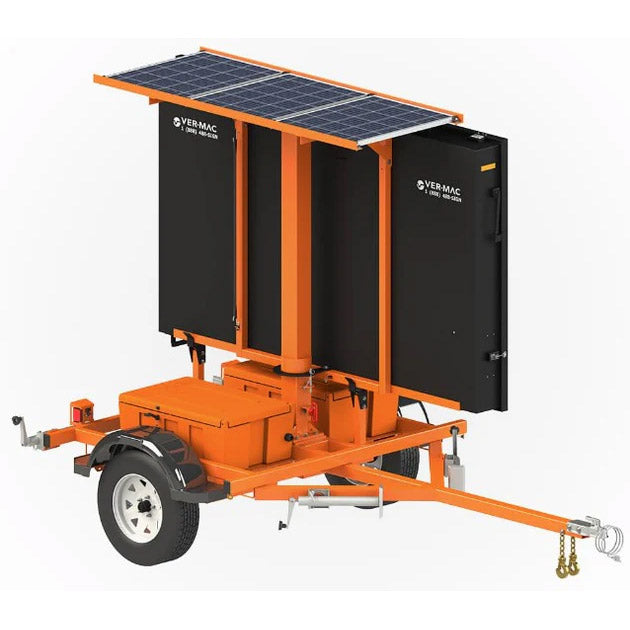
A radar speed sign system uses radar or other speed-sensing technology to detect approaching vehicles, then displays that vehicle’s speed in real time through an LED display or trailer unit. These signs are mounted on poles, trailers, or temporary stands. If a driver is above the posted speed, the display may flash, change colours, or display a warning message — all part of the traffic signage design strategy to prompt immediate driver response.
Numerous studies show that well-placed radar speed signs reduce average speeds by 5–10 mph (8–16 km/h) or reduce the number of vehicles exceeding the limit by up to 50% in some cases. For example, a long-term evaluation found an average speed reduction of about 7 mph in speed transition zones. One meta-analysis found speed reductions of 10–20% and compliance improvement of 30-60%. These signs also provide data on traffic flows and driver behaviour, something traditional enforcement alone often lacks.
In construction sites or roadworks where Road Construction Traffic Signs are already in use to guide changes, a radar speed sign adds value by giving direct feedback to the driver rather than just a static instruction. This interactive approach can lead to quicker compliance and fewer dangerous events.
Side-by-Side Comparison: Sign vs Enforcement

When comparing radar speed signs and traditional enforcement, several factors emerge:
Immediate driver reaction: Radar signs display speed instantly, prompting drivers to slow down as they see their own speed. Enforcement often triggers only when a vehicle is detected and an action taken later (ticket or stop).
Continuous presence: A radar sign is visible 24/7; it does not rely on officers being present. Traditional enforcement is labor-intensive, limited in time and place.
Behavior change: Studies on radar signs indicate persistent reductions in speed even after deployment, especially in transition zones or near work zones. Enforcement may lead to short-term compliance when drivers see police, but less long-term behaviour change in the absence of enforcement.
Cost and logistics: Radar signs require initial investment and maintenance but once installed are passive. Enforcement requires staffing, patrol vehicles, training, and follow-up. For temporary work zones or changing traffic patterns, radar signs offer flexibility.
Data collection and adaptability: Radar units can collect speed data, peak volumes, time of day behaviours — enabling better traffic control plan design. Traditional enforcement may capture violations but not the broader traffic trends.
Integration with work zones: In areas where there are multiple Construction Signs, lane shifts, complex traffic patterns, or pedestrian crossings, a radar speed sign fits within a broader traffic signage and traffic management strategy. Enforcement alone may not sufficiently alert drivers to changing patterns.
Of course, there are limitations to both. Radar signs might lose impact if drivers become desensitized to the display or view it as decorative. Enforcement cannot cover all roads simultaneously and still struggles with budget and manpower.
Why Radar Speed Signs Are Particularly Effective in Construction and Work Zones

Construction zones bring a higher risk environment: lane closures, slower speeds, workers near vehicles, shifting routes, and pedestrian crossing points.
Here, the need for effective speed control is acute. A sign that simply tells drivers “Slow down – work ahead” may not be enough. A radar speed sign adds: “You are going 62 km/h — limit is 50 km/h — slow down.” That real-time feedback is powerful.
When combined with proper Construction Traffic Signs and Road Construction Traffic Signs indicating lane closures, shifts, and worker presence, the radar sign forms part of a layered defence. Drivers get information, they see their speed, and they respond. In many jurisdictions, work zone regulatory frameworks now favour engineering controls such as feedback signs because they help shift driver behaviour rather than just punish it later.
The cost-effectiveness of radar speed signs makes them ideal for temporary zones where hiring additional enforcement might not be feasible. They can be rapidly deployed, programmed for specific speed limits, placed near transition areas or pedestrian access, and reclaimed once the site is done. Because they integrate with traffic signage, they improve the overall safety architecture of a work zone.
The Long-Term Value of Radar Speed Signs

One common critique of both enforcement and engineered signage is that once the tool is removed — either the police officer leaves or the sign is taken down — speeds may return to prior levels. In the case of radar speed signs, research shows that when signs remain in place in speed transition zones, the reduction can sustain over time. One study found average reductions of around seven miles per hour over a year. Other studies suggest maintained speed compliance for months after implementation.
Moreover, radar speed signs help traffic engineers collect meaningful data: how many vehicles are speeding, when peak speeds occur, how drivers behave near work zones or school zones. That intelligence enables smarter deployment of traffic signage, optimized placement of Construction Signs, and more efficient traffic control plan design.
In contrast, traditional enforcement rarely offers this kind of ongoing data to inform future decisions. Tickets tell you who violated the law, but not how many drivers were unaware of hazards or how they responded to warnings before enforcement.
Considerations When Deploying Radar Speed Signs or Enforcement

While radar speed signs deliver many benefits, success depends on good placement, visibility, correct speed display, and integration with other signage. Signs must be visible well in advance, mounted properly, and aligned with the driver’s sightline. Poor placement reduces impact. Some studies find signs are less effective when placed where average speed is not already a problem or where drivers feel comfortable ignoring them.
Traditional enforcement must be consistently perceived to be credible; if drivers believe they will not be caught, the deterrent effect weakens. Enforcement also struggles to reach all segments of a road network continuously.
In both cases, proper design of the traffic control plan, correct use of Construction Signs, arrangement of pedestrian crossings, and management of on-coming traffic all matter. A radar speed sign does not replace signals or stop signs; it complements them. A speed enforcement officer cannot replace the clarity of a physical work zone’s traffic signage.
________
Radar Speed Signs Offer the Best Balance of Safety and Efficiency

In the debate between radar speed signs and traditional speed enforcement, the evidence leans strongly toward radar speed signs when deployed strategically in conjunction with robust traffic signage and work zone management. These signs provide immediate feedback to drivers, work continuously without human fatigue, collect important traffic data, and fit naturally into Construction Signs and Construction Traffic Signs setups. They help reduce speed, improve compliance, and support safer roads for road users and workers alike.
For safety, clarity, and long-term cost-effective traffic control, radar speed signs hold the advantage. When you need reliable equipment for your next work zone, construction site, or traffic management plan, get your radar speed signs from Barricade Traffic Services — trusted for professional deployment, integration with signage, and safety-first solutions.