

Concrete jersey barriers are an important part of traffic control for construction sites, road work, infrastructure projects, and other areas where traffic needs to be separated from active work zones. These barriers create a strong physical boundary between moving vehicles, workers, equipment, and changing road conditions.
Unlike cones, drums, or other lightweight traffic control devices, concrete jersey barriers provide a solid separation system. They can help define travel lanes, protect workers, separate opposing traffic, and guide vehicles through temporary road configurations.
For projects that require reliable physical separation, the right concrete barrier system can make traffic control more organized and predictable.
What Are Concrete Jersey Barriers?
Concrete jersey barriers are temporary or semi-permanent concrete barriers designed to separate traffic from work areas and other restricted spaces. Their distinctive shape is designed to help redirect vehicles that come into contact with the barrier while providing a strong physical boundary.
A jersey barrier can be used in a variety of work-zone applications. Depending on the project, barriers can separate live traffic from construction activities, divide opposing traffic lanes, protect equipment, or create a controlled boundary around a work area.
Concrete jersey barriers are especially useful when a project requires more than visual guidance. While traffic cones and drums can tell drivers where they should travel, a concrete barrier provides a physical separation between traffic and the area being protected.
Why Use Concrete Jersey Barriers in Work Zones?
Road construction often creates conditions that are different from normal traffic patterns. Lanes may become narrower. Traffic may shift into temporary lanes. Workers may operate close to moving vehicles. Heavy equipment may need to enter and leave the work area.
These conditions create a need for clear and consistent separation.
Concrete jersey barriers can help establish that separation. They provide drivers with a visible boundary while also creating a physical barrier between the roadway and the work area.
A properly planned barrier system can help:
- Separate vehicles from active construction areas
- Protect workers and construction equipment
- Divide opposing traffic
- Define temporary travel lanes
- Protect roadside hazards and fixed objects
- Support temporary lane shifts
- Create controlled work areas
- Improve organization within complex construction zones
The exact barrier arrangement should always be based on the requirements of the project, roadway, traffic conditions, and applicable standards.
Concrete Barrier vs Other Traffic Control Devices
Not every work zone needs a concrete barrier. Traffic control equipment should be selected based on the hazards present and the type of separation required.
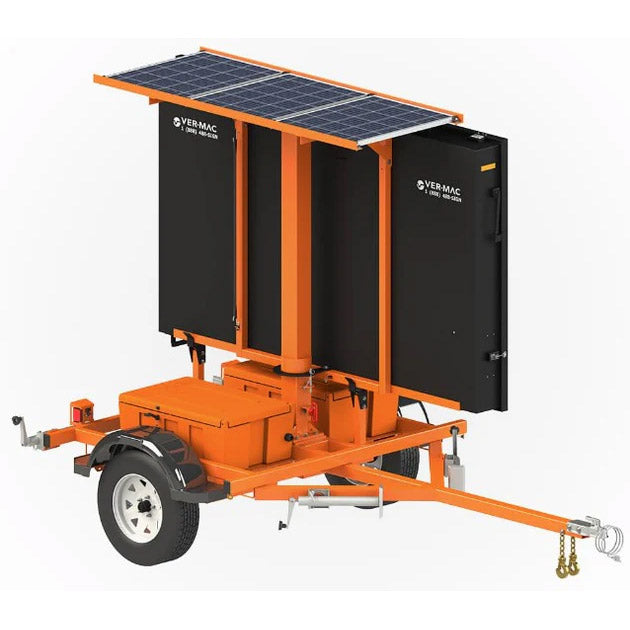
Traffic cones and drums are commonly used to channel traffic and provide visual guidance. Barricades can close or restrict access to specific areas. Signs provide drivers with information and advance warning.
A concrete barrier serves a different purpose.
When a project needs a physical separation between traffic and an area that must be protected, a concrete barrier can provide a stronger boundary than lightweight channelization devices.
For example, a project may use traffic signs to warn drivers about an upcoming lane shift, traffic drums to guide vehicles through the transition, and concrete jersey barriers to physically separate live traffic from the construction area.
These devices can work together as part of a complete traffic control system.
Where Are Concrete Jersey Barriers Used?
Concrete jersey barriers can be used across many types of construction and infrastructure projects.
Road Construction
Road rehabilitation and reconstruction projects often require temporary changes to traffic patterns. Concrete jersey barriers can help separate active construction areas from open lanes while work progresses.
They may also be used when crews need to work close to live traffic for an extended period.
Highway Construction
Higher-speed roadways require careful planning because vehicles have less time to react to changes in the roadway.
Concrete jersey barriers can be used as part of a larger traffic control setup to establish physical separation between traffic and construction activities.
The barrier arrangement must be designed according to the project conditions and applicable requirements.
Bridge Construction and Rehabilitation
Bridge projects can have limited space and challenging traffic conditions. A concrete barrier can help create a defined boundary between traffic and the work area.
Barriers may also be used to separate temporary traffic lanes during bridge rehabilitation projects.
Lane Shifts
Construction projects often require vehicles to move from their normal lanes into temporary lanes.
A jersey barrier can help create a clear physical boundary along the new traffic path. This can make temporary lane configurations easier for drivers to follow when combined with appropriate signs and channelization devices.
Utility and Infrastructure Projects
Water, sewer, telecommunications, electrical, and other infrastructure projects can require excavation or equipment to be placed near active roadways.
Concrete barriers can help establish a physical boundary around certain work areas while maintaining access for traffic where permitted by the project plan.
Concrete Jersey Barriers for Traffic Separation
One of the most common applications for concrete jersey barriers is traffic separation.
A project may need to separate opposing traffic streams, create a temporary lane configuration, or prevent vehicles from entering an active work area.
A physical barrier can make the boundary between traffic and construction much clearer than painted lines or lightweight devices alone.
However, barriers should not be viewed as a replacement for the complete traffic control system.
Drivers still need appropriate signs, pavement markings, channelization, and advance warning. The barrier is one component of the overall system.
Jersey Barrier Placement Matters
Simply placing a concrete barrier beside a road does not create an effective traffic control setup.
The location, alignment, transitions, ends, connections, and surrounding traffic control devices all need to be considered.
Poorly planned barrier placement can create new hazards. For example, abrupt transitions, exposed barrier ends, inadequate visibility, or insufficient space can create problems for road users and construction crews.
That is why barrier placement should be incorporated into the overall traffic control plan before installation.
Project conditions should be reviewed carefully to determine where barriers are needed and how they should interact with other traffic control devices.
Using Jersey Barriers With Traffic Signs
Concrete jersey barriers work best when they are integrated with clear traffic signage.
Drivers need to understand changes in the roadway before reaching a barrier or temporary traffic pattern.
Depending on the project, traffic signs may communicate:
- Lane reductions
- Lane shifts
- Road closures
- Detours
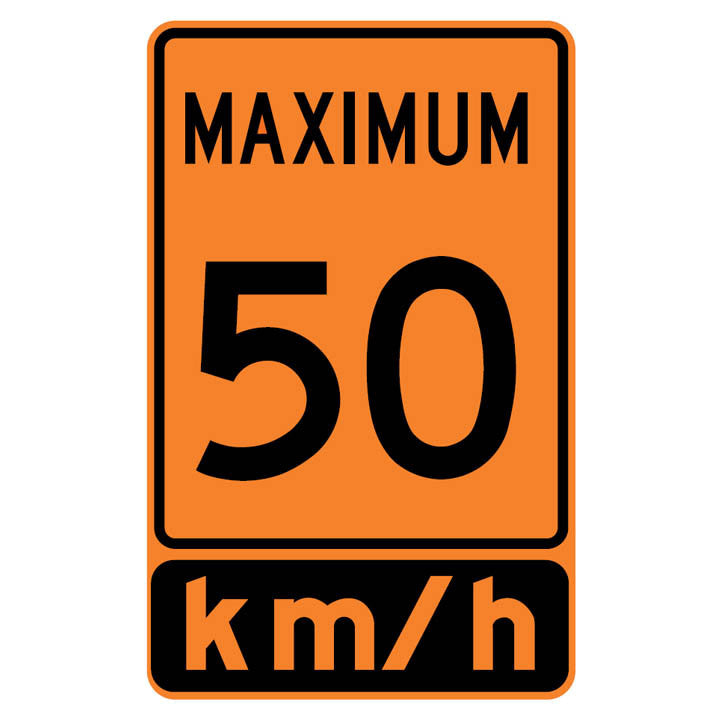
- Speed restrictions
- Construction activity
- Changes in traffic direction
- Temporary roadway conditions
Signs provide information, while the jersey barrier helps reinforce the physical boundary.
Together, these elements can create a more consistent traffic control environment.
Concrete Jersey Barriers and Worker Protection
Protecting workers is one of the most important considerations when planning a construction work zone.
Workers may be operating close to moving vehicles, heavy equipment, excavation areas, and other hazards. A physical barrier can provide separation between the active roadway and certain areas of the work site.
The level of protection required will depend on the project.
Factors such as vehicle speed, traffic volume, available space, work duration, roadway geometry, and the type of work being performed can all influence the appropriate traffic control strategy.
A professional assessment can help determine whether concrete jersey barriers are appropriate for the application.
Concrete Jersey Barriers for Long-Term Projects
Concrete barriers can be particularly useful for projects where traffic will remain in a temporary configuration for an extended period.
Short-term work may only require cones, drums, signs, or barricades. Longer projects can involve more complicated traffic staging and greater exposure to moving traffic.
For these projects, a physical barrier can help maintain a consistent separation throughout multiple phases of construction.
However, the traffic control setup should still be reviewed as work progresses. A barrier configuration that works during one construction phase may need to change when the project moves into another phase.
Barriers for Changing Construction Phases
Large infrastructure projects rarely maintain the same traffic pattern from beginning to end.
One phase may involve shoulder work. Another may require a lane closure. Later, traffic may shift to the opposite side of the roadway.
Concrete jersey barriers can be incorporated into these changing configurations, but each stage needs to be planned carefully.
Before moving into a new phase, contractors and traffic control teams should consider:
- New lane configurations
- Traffic direction
- Available lane width
- Work-zone access
- Equipment movement
- Pedestrian routes
- Sign placement
- Barrier transitions
- Construction hazards
- Changes in traffic volume
Planning these changes in advance helps reduce confusion when the work zone changes.
Choosing the Right Concrete Barrier System
The appropriate barrier system depends on the project rather than simply choosing the largest or heaviest barrier available.
Important factors can include the type of roadway, traffic speed, traffic volume, project duration, available space, work-zone layout, and required level of separation.
The project team should also consider how the barriers will be transported, positioned, connected, adjusted, and removed.
For large projects, these logistics can become a major part of traffic control planning.
Concrete Jersey Barriers and Traffic Management
Concrete jersey barriers are one component of a larger traffic management strategy.
Traffic management considers how people and vehicles will move around a project. It can include traffic staging, lane closures, detours, signs, barriers, traffic control devices, pedestrian movement, and coordination between contractors and other project stakeholders.
The barrier itself is only one part of the solution.
A well-planned traffic management strategy considers how each component works together. This can help create a work zone that is easier for drivers to understand and safer for workers to operate within.
When Should You Consider a Jersey Barrier?
A jersey barrier may be worth considering when a project requires physical separation rather than visual guidance alone.
Examples can include projects involving:
- Extended lane closures
- Highway construction
- Bridge rehabilitation
- Major road reconstruction
- Work near high-speed traffic
- Temporary lane shifts
- Infrastructure construction
- Work areas that require a defined physical boundary
The specific application should be evaluated based on the project design and applicable traffic control requirements.
Professional Concrete Jersey Barrier Solutions
Every construction project has different traffic conditions, roadway layouts, and safety requirements.
At Barricade Traffic Services, we provide traffic control equipment and solutions for construction, infrastructure, road work, and other projects throughout Ontario.
Our team can help contractors and project managers determine the traffic control equipment needed for their work zone, including concrete jersey barriers and other traffic control devices.
Whether you are managing a short-term road project or a large infrastructure project with multiple construction phases, proper planning can help create a more organized traffic environment.
Contact Barricade Traffic Services to discuss your project requirements and find the right concrete jersey barrier solution for your work zone.
Get Concrete Jersey Barriers for Your Next Project
A well-designed work zone needs more than signs and cones. When a project requires physical separation between traffic and construction activities, concrete jersey barriers can play an important role in the overall traffic control strategy.
From road construction and highway projects to infrastructure upgrades and major rehabilitation work, the right barrier system can help create a clear and controlled boundary around active work areas.
Contact Barricade Traffic Services today to discuss your concrete jersey barrier requirements and traffic control needs.

THE DIFFERENCE IS SERVICE
We proudly provide the highest level of service to our customers

100% canadian-owned
Ontario's largest Canadian-owned traffic control company.