
Concrete Barrier vs Flexible Traffic Control Devices
Every construction site needs a safe way to manage traffic. The right setup helps protect workers, guide drivers and reduce the risk of vehicles entering restricted areas. However, not every work zone needs the same level of protection.
Some projects can use flexible traffic control devices to direct vehicles around work areas. Others may need a stronger physical barrier to separate traffic from workers, equipment or open construction zones.
Understanding the difference between a concrete barrier and flexible traffic control devices helps project teams make informed decisions. The right choice depends on traffic speed, road conditions, available space, project duration and the risks surrounding the work area.
Barricade Traffic Services helps construction teams consider their traffic control requirements and select suitable equipment for their projects.
What Are Flexible Traffic Control Devices?
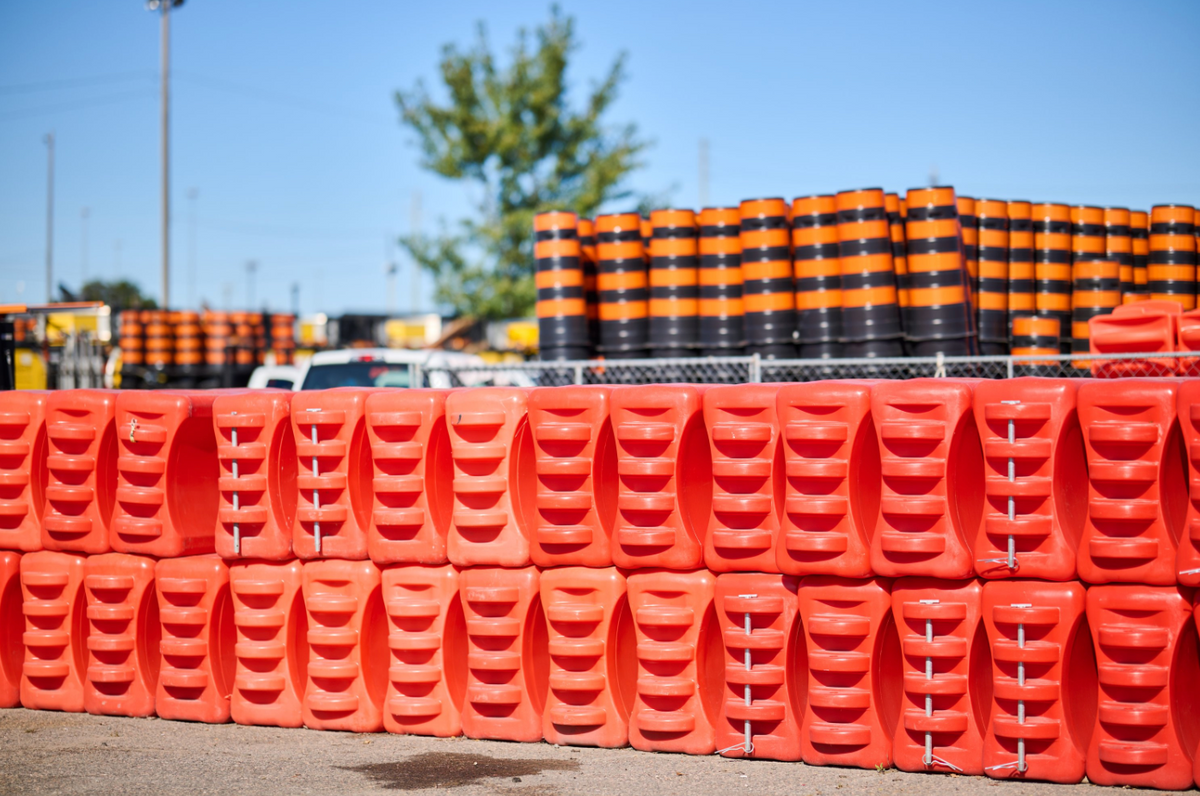
Flexible traffic control devices help guide vehicles and identify restricted areas. They make work zones easier for drivers to understand and help traffic move through changing road conditions.
Common examples include traffic cones, delineators, channelizing devices and certain types of temporary barricades.
These devices are useful when crews need to establish clear traffic patterns, mark lane closures or separate vehicles from low-risk work areas. Teams can also reposition them as construction progresses.
Benefits of Flexible Traffic Control Devices
Flexible devices offer several practical advantages:
-
Easy to reposition: Crews can adjust layouts as work moves from one area to another.
-
Clear visual guidance: Bright colours and reflective materials help drivers identify changes in the road.
-
Adaptable layouts: Teams can use them for short-term maintenance, lane closures and temporary access restrictions.
-
Efficient setup: Many devices are relatively easy to transport, install and remove.
However, flexible devices have limits. Cones and delineators generally guide traffic rather than physically stop a vehicle. A driver who loses control or fails to follow the traffic pattern may enter the work area.
When a project presents a higher risk of vehicle intrusion, a more substantial protective system may be necessary.
What Is a Concrete Barrier?

A concrete barrier is a heavy physical structure designed to separate traffic from specific areas. Depending on its design and approved application, it can help contain or redirect vehicles that strike it.
Concrete jersey barriers are a familiar type of barrier used on many road construction and infrastructure projects. Their shape and weight make them suitable for certain temporary and permanent traffic separation applications.
A jersey barrier can help create a more substantial separation between moving vehicles and areas where workers, equipment or other hazards are present.
Benefits of Concrete Jersey Barriers
Concrete jersey barriers offer several advantages when a project requires physical protection.
Stronger physical separation
Unlike traffic cones, concrete barriers create a substantial physical boundary. When properly selected and installed, an appropriate barrier system can help reduce the risk of vehicles entering a protected area.
Defined work zone boundaries
Concrete barriers create a clear separation between traffic lanes and construction areas. This can be useful on road reconstruction projects, bridge work and other sites where workers operate close to moving vehicles.
Suitable for certain longer-term projects
Some projects need a stable separation system for an extended period. Concrete barriers may be appropriate where the project design, site conditions and protection requirements support their use.
Support for traffic management plans
Concrete jersey barriers can form part of a broader Traffic Management plan. They work alongside approved signs, lane markings, warning devices and other traffic control measures.
It is important to remember that concrete barriers are not interchangeable with every other traffic control device. The barrier type, installation method, connections, anchoring and required end treatments must suit the specific application.
Concrete Barrier vs Flexible Traffic Control Devices
Both options play an important role in traffic control, but they serve different purposes.
|
Feature |
Flexible traffic control devices |
Concrete jersey barriers |
|
Primary purpose |
Guide and channelize traffic |
Provide physical separation and, in suitable systems, vehicle protection |
|
Physical strength |
Generally limited impact protection |
Greater physical resistance, depending on system design |
|
Repositioning |
Usually quick and straightforward |
Requires appropriate equipment and handling procedures |
|
Common applications |
Short-term lane closures, delineation and traffic guidance |
Selected roadwork zones, lane separation and higher-risk work areas |
|
Layout flexibility |
High |
Depends on site layout and installation requirements |
|
Vehicle impact performance |
Most devices are not designed to contain or redirect errant vehicles |
Depends on the tested system, installation and site conditions |
The key difference is the level of protection each system is intended to provide. Flexible devices communicate where vehicles should travel. A properly designed concrete barrier system may also provide physical protection when a vehicle leaves its intended path.
Neither option is automatically the right choice for every project. The traffic control plan must reflect the hazards present at the site.
When Is More Protection Needed?

The decision to use a concrete barrier instead of flexible devices should start with a risk assessment. Project teams need to consider what could happen if a vehicle enters the work area and whether the proposed traffic control arrangement provides enough protection.
1. Workers Are Close to Moving Traffic
Workers performing paving, utility repairs or road maintenance may need to work close to active traffic lanes.
Cones and delineators can show drivers where to travel, but they do not necessarily prevent a vehicle from entering the work area. Where vehicle intrusion presents a serious risk, the project team should assess whether a suitable barrier system or another protective measure is required.
2. Traffic Travels at Higher Speeds
Higher vehicle speeds can increase the severity of a collision. On roads where traffic moves quickly, relying on visual guidance alone may not provide adequate protection for every work activity.
A traffic control assessment should consider posted speeds, actual traffic conditions, road geometry and the consequences of a vehicle leaving its lane. Concrete jersey barriers may be appropriate in some situations, but only when the selected system meets the project's protection requirements.
3. The Work Zone Has Limited Space
Some work areas sit directly beside active lanes, temporary walkways or equipment staging areas. A small amount of space between vehicles and workers can leave little room for recovery if a driver makes a mistake.
Concrete barriers can help establish a defined physical boundary. However, they also occupy space and may affect lane width, sightlines and vehicle movement. Teams must assess these factors before choosing a barrier layout.
4. Construction Will Continue for an Extended Period
Longer projects may expose workers and road users to changing traffic conditions over many days or months.
A project may benefit from a more substantial separation system if the risk assessment identifies a need for ongoing physical protection. The decision should consider the construction schedule, expected traffic volumes, maintenance access and any planned changes to the work zone.
A longer project does not automatically require concrete barriers. The required protection level depends on the hazards and the approved traffic management design.
5. The Work Area Contains Significant Hazards
Excavations, bridge construction, large machinery and certain roadside hazards can increase the consequences of a vehicle entering a restricted area.
In these situations, the project team should assess whether flexible devices are sufficient or whether a protective barrier system is needed. The assessment should also consider barrier ends, transitions, openings and any locations where vehicles could still enter the work zone.
Can Flexible Devices and Concrete Jersey Barriers Work Together?
Yes. Many traffic management plans use several types of equipment because each device serves a different purpose.
For example, a project may use concrete barriers to separate active traffic from a high-risk work area, while cones and delineators guide vehicles through a temporary lane shift. Signs provide advance warning, and other approved traffic control devices help drivers understand changing conditions.
This combined approach can improve clarity while addressing different hazards within the same work zone.
However, adding more devices does not automatically make a site safer. Every component must work with the overall layout. Poorly placed signs, unclear lane transitions or gaps in a barrier line can create additional risks.
Project teams should follow the approved traffic control plan and applicable Ontario requirements when selecting and arranging equipment.
What Should You Consider Before Choosing a Barrier?
Before deciding between a concrete barrier and flexible traffic control devices, consider the following factors:
Traffic volume and speed: Higher speeds and heavy traffic may increase the need for stronger separation, depending on the risk assessment.
Worker exposure: Consider how close employees are to moving vehicles and what could happen if a driver enters the work zone.
Available road space: Check whether the proposed equipment leaves sufficient room for traffic lanes, workers, construction vehicles and emergency access.
Project duration: Determine how long the traffic arrangement will remain in place and whether the layout will change during construction.
Installation requirements: Concrete barriers can require specialized transportation, placement equipment and specific installation procedures.
Barrier performance: Confirm that the selected system is suitable for the expected impact conditions. Not every concrete barrier provides the same level of protection.
Regulatory and project requirements: Follow the applicable Ontario Traffic Manual guidance, project specifications and requirements established by the responsible road authority.
These considerations help project teams choose equipment based on actual site conditions rather than convenience alone.
The Importance of Professional Traffic Management
Effective Traffic Management involves more than placing signs and barriers around a construction site. It requires a coordinated plan that considers road users, workers, equipment, traffic flow and changing site conditions.
A suitable plan identifies potential hazards, establishes clear traffic movements and specifies the devices needed to manage those hazards. It should also account for how crews will install, inspect, maintain and adjust the traffic control setup.
For projects in Ontario, the applicable Ontario Traffic Manual guidance and road authority requirements should inform the planning process. Project-specific engineering or other qualified assessments may also be necessary, particularly when selecting a barrier system intended to provide vehicle impact protection.
Barricade Traffic Services supports construction and roadwork projects with traffic control equipment and solutions suited to different site requirements. Selecting the appropriate equipment early can help project teams plan safer work zones and manage changing traffic conditions more effectively.
Choose the Right Traffic Control Solution for Your Project
Flexible traffic control devices and concrete jersey barriers both have important roles in construction safety. Flexible devices are useful for directing traffic and marking temporary restrictions. Concrete barriers may provide a higher level of physical separation when the site requires more protection.
The right choice depends on the risks, road conditions, work activities and requirements of the project. A proper assessment helps determine whether flexible devices are sufficient or whether a suitable concrete barrier system should form part of the traffic control plan.
Need traffic control equipment for an upcoming project? Contact Barricade Traffic Services to discuss your work zone requirements and find a suitable solution for your site.