
How Ontario Traffic Signs Work Together During Multi-Phase Road Construction
Road construction rarely happens in one step. A project may begin with utility work, move into road repairs, and finish with paving, line painting and final restoration. Each phase can change how drivers, pedestrians and cyclists move through the area.
These changes make traffic control an important part of construction planning. Drivers need clear warnings before reaching a work zone, enough time to respond to lane changes, and consistent directions as they move through the site.
Ontario Traffic Signs help communicate these changes. When signs work together as part of a coordinated plan, they help road users understand upcoming hazards, follow temporary routes and move safely through construction areas.
For contractors and project managers, understanding how Road Signs Ontario fit into each construction phase can help improve work zone organization and support effective Traffic Management.
Why Traffic Signs Need to Work Together
A single sign rarely provides all the information a driver needs to navigate a construction zone. A road work warning may tell drivers to expect a hazard, but additional signs may be needed to explain a lane closure, indicate a detour or identify a reduced speed limit.
A coordinated traffic control setup gives drivers information in a logical sequence. Each sign has a purpose, and each message supports the next step in the journey.
For example, a multi-phase road project may require signs to:
-
Warn drivers that construction is ahead.
-
Give road users time to prepare for changing conditions.
-
Direct vehicles away from closed lanes.
-
Identify temporary routes and detours.
-
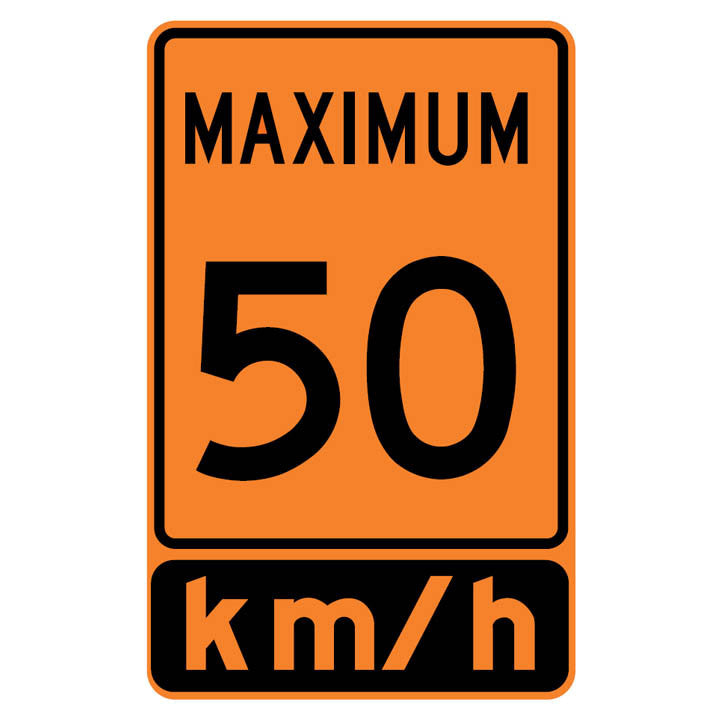
Communicate applicable speed restrictions.
-
Guide traffic past workers, equipment and active work areas.
-
Indicate when the construction zone or temporary restriction ends.
The exact signs and their placement depend on the road, work activity, traffic conditions and approved traffic control plan. Ontario Traffic Manual Book 7 provides guidance for temporary traffic control in work zones. The applicable requirements and project specifications should be checked when planning a setup.
Phase 1: Advance Warning Before the Work Zone

The first phase of traffic control begins before drivers reach the actual construction area.
Advance warning signs alert road users to upcoming work and give them time to adjust their speed, position or route. Without adequate warning, drivers may approach a lane closure or traffic shift too quickly to respond safely.
Depending on the site, the warning sequence may include signs identifying road work ahead, construction activity, lane closures or other temporary conditions.
Why Advance Warning Matters
Drivers need to recognize that the road ahead may operate differently from normal. They may need to slow down, change lanes, watch for traffic control personnel or prepare to follow a detour.
Advance warning should be easy to understand and visible with enough time for drivers to react. Sign placement must reflect the road's speed, layout, visibility and applicable guidance.
For longer construction projects, the warning setup may also need to account for traffic approaching from different directions or entering from nearby roads.
Effective traffic control starts before vehicles reach the work area. The goal is to prepare drivers for the changes ahead rather than asking them to react at the last moment.
Phase 2: Lane Closures and Traffic Shifts
Once drivers approach the work zone, signs and other traffic control devices help them move into the correct lane or follow a temporary traffic pattern.
This phase may involve closing one lane, shifting traffic away from workers or narrowing the available roadway. Cones, delineators, barriers and pavement markings may support the sign sequence where appropriate.
Keeping Lane Changes Clear
When a lane closes, drivers need to understand where the closure begins and how traffic should move around it. Signs must support a clear, consistent route through the transition.
For example, a project may use advance warning signs before a lane closure, followed by devices that guide vehicles into the open lane. Additional signs or traffic control personnel may be needed when the arrangement is more complex.
The setup should avoid conflicting messages and unclear transitions. Drivers should not have to guess whether a lane remains open or where they are expected to travel.
Coordinating Signs With Other Devices
Ontario Traffic Signs are only one part of a work zone setup. Traffic control devices must work together to communicate the intended route.
A sign may warn of a lane shift, while delineators show drivers the path to follow. Barriers may provide physical separation where required, and temporary pavement markings may reinforce the new lane alignment.
Each device should support the approved layout. Simply adding more signs or equipment does not guarantee better traffic flow if the messages conflict or the route is difficult to understand.
Phase 3: Detours and Temporary Road Changes
Some construction phases require more than a lane closure. Crews may need to close an intersection, restrict access to a side street or redirect traffic around the project.
In these situations, detour signs help drivers follow an alternate route.
Creating a Consistent Detour Route
A successful detour needs to communicate the route clearly from beginning to end. Drivers should be able to identify where to leave the original road, which turns to take and where they can return to their intended route.
A detour plan should consider more than the road immediately beside the construction site. Project teams may need to review nearby intersections, access points, traffic volumes and road restrictions along the alternate route.
Signs should be positioned according to the approved plan and applicable requirements. Teams should also check that existing signs do not contradict the temporary directions.
Considering All Road Users
Road closures and detours can affect pedestrians, cyclists, transit users and people accessing nearby businesses or properties.
Traffic Management planning should identify these impacts before work begins. Where routes change, appropriate signs and temporary arrangements should help road users understand how to travel through or around the area.
The details will vary by project, but the underlying principle remains the same: temporary changes should be communicated clearly and consistently.
Phase 4: Moving From One Construction Stage to the Next

Multi-phase road construction presents a challenge because the traffic setup changes as work progresses.
A lane closed during underground utility work may reopen during a later phase. Traffic may shift to a different side of the road when crews begin paving. A detour may no longer be necessary once an intersection becomes accessible.
The signs that supported one phase may become incorrect or confusing in the next.
Updating Signs as Work Progresses
Before each phase begins, project teams should review the traffic control plan and identify which signs and devices need to move, change or be removed.
This review should consider:
-
Which lanes or roads will be open.
-
Where construction equipment and workers will operate.
-
Whether traffic will follow a new alignment.
-
Whether speed restrictions or access conditions have changed.
-
Whether existing signs remain accurate.
-
Whether pedestrians and cyclists need a different route.
Outdated signs can confuse drivers and undermine the intended traffic pattern. Removing or covering signs that no longer apply is just as important as installing the correct signs for the new phase.
Planning for Phase Transitions
Teams should plan traffic changes before moving equipment or starting a new work activity. This helps ensure the updated layout is ready when traffic needs to use it.
The transition may require temporary closures, new signs, adjusted barriers or changes to traffic control personnel. The approved plan should specify the required arrangement and the sequence for implementing it.
A well-planned transition helps keep traffic movements understandable while allowing construction work to proceed.
Phase 5: Working Around Intersections and Access Points
Intersections often need extra attention during road construction. Drivers may approach from several directions, and nearby driveways or side streets can create additional turning movements.
A sign sequence that works on a straight section of road may not be sufficient near an intersection.
Maintaining Clear Directions
When construction affects an intersection, signs must communicate the available movements and any restrictions. Drivers should be able to tell whether they can turn, continue straight or access a nearby road.
Project teams should consider the visibility of signs from each approach, along with temporary traffic signals or other control measures where required.
Access for emergency services, transit vehicles, delivery vehicles and nearby properties may also need to be considered during planning.
Avoiding Conflicting Information
Existing permanent signs may remain visible even when temporary conditions change how drivers should proceed. Temporary signs must be coordinated with the surrounding road environment so that drivers receive clear instructions.
The traffic control plan should identify potential conflicts and specify how they will be addressed. Site inspections can help confirm that signs remain visible and that the intended route is clear from every relevant approach.
Phase 6: Reopening Lanes and Completing the Project
The final stage of construction involves restoring normal traffic conditions. Depending on the project, crews may reopen lanes, remove temporary barriers, complete line painting and restore access to roads or properties.
Traffic signs must change along with the roadway.
Removing Temporary Signs at the Right Time
Signs that warned drivers about a lane closure or detour should no longer remain in place once those conditions have ended, unless they still apply to ongoing work.
Project teams should confirm which temporary devices can be removed and whether any restrictions remain. Permanent signs, pavement markings and other traffic control features should be checked as required before the road returns to normal operation.
The end of a construction zone should also be communicated in accordance with applicable requirements.
A final inspection helps identify signs that were missed during removal, temporary devices that remain out of position or conditions that still need attention.
How Ontario Traffic Signs Support Better Traffic Management
Effective Traffic Management depends on more than selecting individual signs. It involves coordinating signs, physical devices, traffic movements and construction activities into one clear plan.
For multi-phase roadwork, that means planning each stage before it begins and reviewing the setup whenever site conditions change.
A coordinated approach can help project teams:
Improve driver understanding. Consistent sign messages help road users anticipate lane changes, closures and detours.
Reduce confusion during transitions. Updated signs help drivers understand the current road layout instead of following outdated instructions.
Support worker safety. Clear traffic patterns can help separate moving vehicles from active work areas when combined with appropriate protective measures.
Maintain access where possible. A planned sign sequence can help communicate temporary routes and restrictions to road users.
Keep construction organized. A phase-by-phase approach helps teams identify the signs, equipment and adjustments needed before work begins.
These benefits depend on the quality of the traffic control plan, the correct use of devices and ongoing checks throughout the project.
Ontario Requirements and Traffic Control Planning
Ontario's traffic control requirements and guidance should inform the selection and use of road signs during construction.
The Ontario Traffic Manual (OTM), Book 7: Temporary Conditions addresses traffic control in temporary work zones, including construction and maintenance activities. Ontario's sign regulations also set requirements for certain road signs, including designated construction zone signs.
Project teams should consult the current applicable guidance, regulations, road authority requirements and project specifications when preparing a traffic control plan. The required layout will depend on the specific site and work activity.
Useful official references include:
These resources provide a starting point for understanding temporary traffic signs and relevant Ontario requirements. They do not replace project-specific planning or approval where required.
Choosing the Right Road Signs for Each Construction Phase
Every road construction project has different needs. A short utility repair may require a relatively simple setup, while a major road reconstruction project may involve several traffic shifts, detours and changing access conditions.
The right Ontario Traffic Signs depend on the work being performed, the road environment and the approved traffic control plan.
Before each phase, project teams should confirm the required signs, check their placement and visibility, coordinate them with other traffic control devices, and remove or update signs when conditions change.
Barricade Traffic Services supports construction and roadwork projects with traffic control equipment and solutions for changing site requirements. Planning the right setup for each stage can help contractors manage traffic more effectively throughout the project.
Plan Your Next Road Construction Project With Barricade Traffic Services
Multi-phase road construction requires a coordinated approach to signs, lane changes, detours and access restrictions. When Ontario Traffic Signs work together, they help road users understand changing conditions and follow the intended route through the work zone.
From the first advance warning to the final reopening, each phase needs a clear plan and signs that reflect current conditions.
Contact Barricade Traffic Services to discuss your traffic control equipment needs and prepare for the changing demands of your next roadwork project.