
Essential Traffic Signage for Night Work & Low-Visibility Conditions
Why Night Work Needs Strong Traffic Signage
Night work is common across Ontario. Crews often work at night to reduce traffic delays. Roads stay open during the day. Work happens after hours. But night work creates new risks.
Drivers have less visibility. Reaction time is slower. Hazards are harder to see. This makes Traffic Signage more important than ever. Clear and visible signs help drivers understand what is ahead. They reduce confusion and improve safety.
Without proper signage, night work zones can become dangerous very quickly. Strong planning and the right equipment are essential.
Understanding Low-Visibility Conditions
Low visibility is not only at night. It can also happen during rain, fog, or snow. These conditions reduce how far drivers can see. They also reduce contrast and clarity.
In these situations, standard signs may not be enough. Road Construction Traffic Signs must stand out clearly. Drivers need more time to read and react.
Good Traffic Signage helps bridge this gap. It ensures drivers can still follow instructions even when visibility is poor.
The Role of Reflective Construction Signs
 Reflective materials are a key part of Construction Signs. These materials reflect headlights back to drivers. This makes signs visible even in complete darkness.
High-quality reflective Traffic Signage uses advanced coatings. These coatings improve brightness and clarity. They help drivers read messages from a distance.
In Ontario, reflective standards are very important. Signs must meet specific visibility requirements. This ensures safety across all work zones.
Reflective Construction Signs are one of the most effective tools for night work. They provide constant visibility without needing power.
Using Larger and Clearer Road Construction Traffic Signs
Size matters in low-light conditions. Larger signs are easier to see. They give drivers more time to read the message.
Simple design is also important. Road Construction Traffic Signs should use clear words and symbols. Short messages work best. Drivers should understand the message in seconds.
Cluttered or complex signs can confuse drivers. This increases risk. Clean and simple Traffic Signage improves reaction time and safety.
Strategic Placement for Maximum Visibility
 Placement is just as important as design. Traffic Signage must be placed where drivers can see it clearly. Signs should be positioned before the work zone begins.
Early placement gives drivers time to react. It allows them to slow down or change lanes safely. In low-visibility conditions, this extra time is critical.
Signs should also be placed at the correct height. They should not be blocked by equipment or other objects. Clear sightlines ensure that Road Construction Traffic Signs are effective.
Adding Lighting to Construction Signs
In some cases, reflective material is not enough. Additional lighting may be needed. This is especially true in very dark areas or high-speed zones.
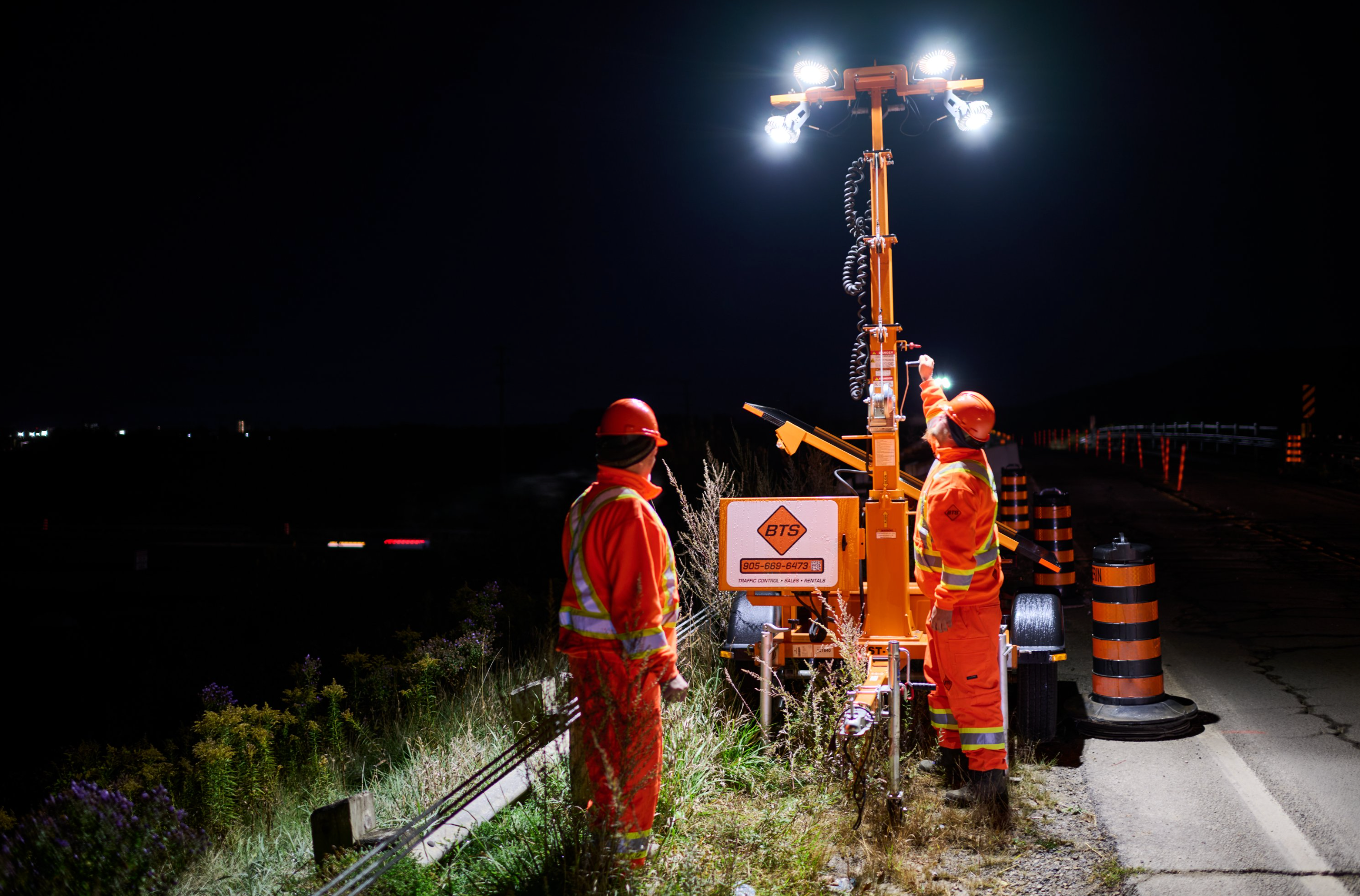
Portable lights can be used to highlight key signs. Flashing lights can draw attention to important warnings. These lights make Traffic Signage more noticeable.
Lighting should be used carefully. It should improve visibility without causing glare. Proper setup ensures that drivers can see clearly without distraction.
Combining Traffic Signage with Other Devices
Traffic Signage works best when combined with other tools. Cones, barrels, and barriers help guide drivers physically. Signs provide the message behind the setup.
For example, cones may guide a lane shift. Construction Signs explain why the shift is happening. Together, they create a complete system.
This layered approach improves safety. It ensures drivers receive both visual and physical guidance through the work zone.
Managing Speed in Low-Visibility Zones
Speed control is critical at night. Drivers may not see hazards until it is too late. Traffic Signage must encourage slower speeds.
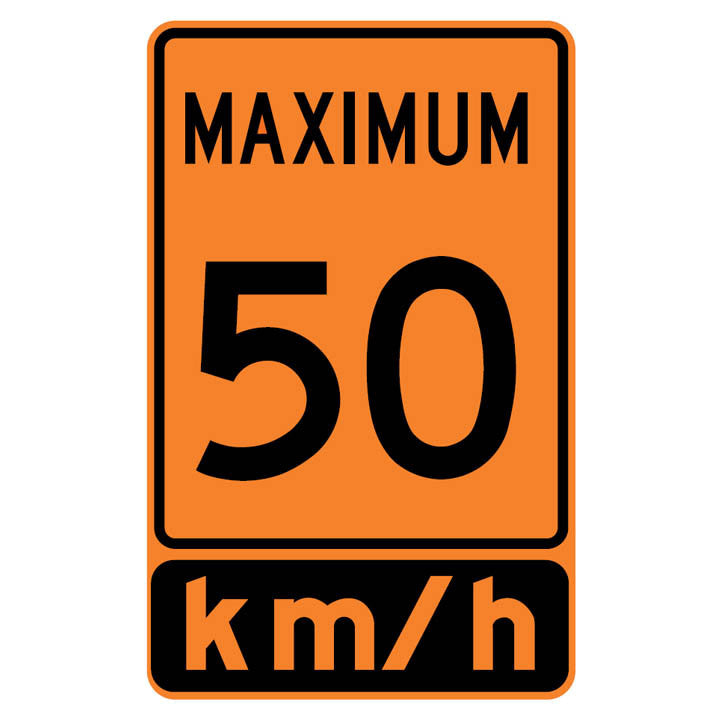
Road Construction Traffic Signs often include speed reduction messages. These remind drivers to slow down and stay alert.
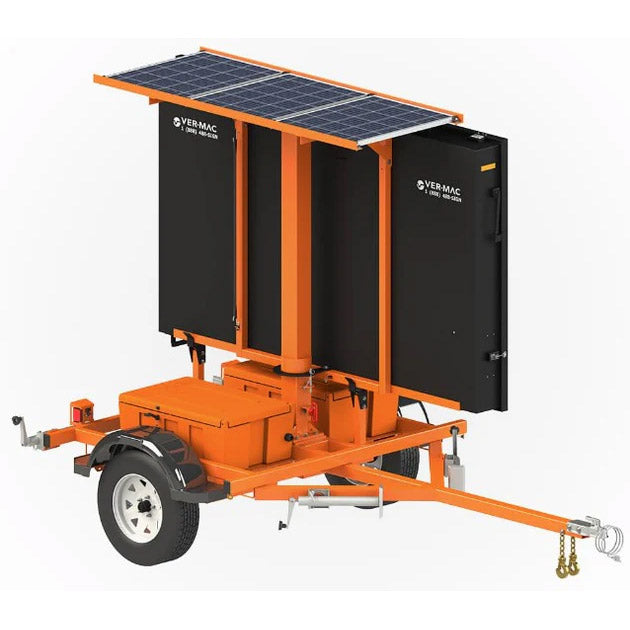
Additional tools like digital message boards can also help. They provide real-time warnings and improve awareness. Combined with strong signage, they create a safer environment.
Regular Inspection and Maintenance
Night work conditions can change quickly. Weather, traffic, and time can affect signage. Regular checks are important.
Signs should be inspected often. Reflective surfaces should be clean and undamaged. Lights should be working properly.
Damaged or dirty Traffic Signage reduces visibility. This increases risk. Maintenance ensures that all Construction Signs perform at their best.
Supporting Worker Safety
Workers are at greater risk during night operations. Visibility is lower. Drivers may not see them clearly.
Strong Traffic Signage helps protect workers. It warns drivers early. It guides them through the work zone safely.
Clear Road Construction Traffic Signs create a safer buffer between traffic and workers. This reduces the chance of accidents and injuries.
Meeting Ontario Safety Standards
All Traffic Signage must follow Ontario regulations. This includes design, reflectivity, and placement standards. Compliance ensures consistency across all work zones.
Drivers rely on familiar sign designs. This helps them react quickly. Using proper Construction Signs ensures that drivers understand what to do.
Following standards also reduces liability. It shows that proper safety measures are in place.
The Future of Night Work Traffic Signage
Traffic Signage continues to improve. New materials and technology are making signs brighter and more effective. Digital signs are becoming more common.
These advances will improve safety in low-visibility conditions. They will provide clearer messages and better guidance.
But the basics will remain important. Clear design, proper placement, and regular maintenance will always be key.
---
Night work and low-visibility conditions create serious challenges. Strong Traffic Signage is the solution. It helps drivers see, understand, and react safely.
Reflective Construction Signs, proper placement, and additional lighting all play a role. Together, they create a clear and safe work zone.
Road Construction Traffic Signs are not just tools. They are essential for protecting lives. With the right approach, night work can be safe, efficient, and well-managed across Ontario.