
How Traffic Control Saves Lives (Data-Driven Safety Results)
Why Traffic Control Matters More Than Ever
Traffic Control is not just about moving cars. It is about saving lives. Roads in Ontario are busy every day. Construction zones, maintenance work, and public events all create risk. Without proper systems in place, accidents can happen quickly.
Good Traffic Control reduces confusion. It guides drivers clearly. It protects workers and pedestrians. Every sign, cone, and message board plays a role. When these tools are used correctly, they prevent serious incidents.
The Reality of Work Zone Risks
 Work zones are one of the most dangerous places on the road. Drivers face sudden lane changes. Speeds may drop quickly. Workers are often only a few feet away from traffic.
Data shows that most work zone accidents happen بسبب driver confusion or late reactions. This is where strong Traffic Control makes a difference. Clear guidance gives drivers time to adjust. It reduces sudden braking and unsafe lane changes.
Even small improvements in setup can lead to fewer crashes. This is why every detail matters.
How Traffic Safety Cones Guide Drivers
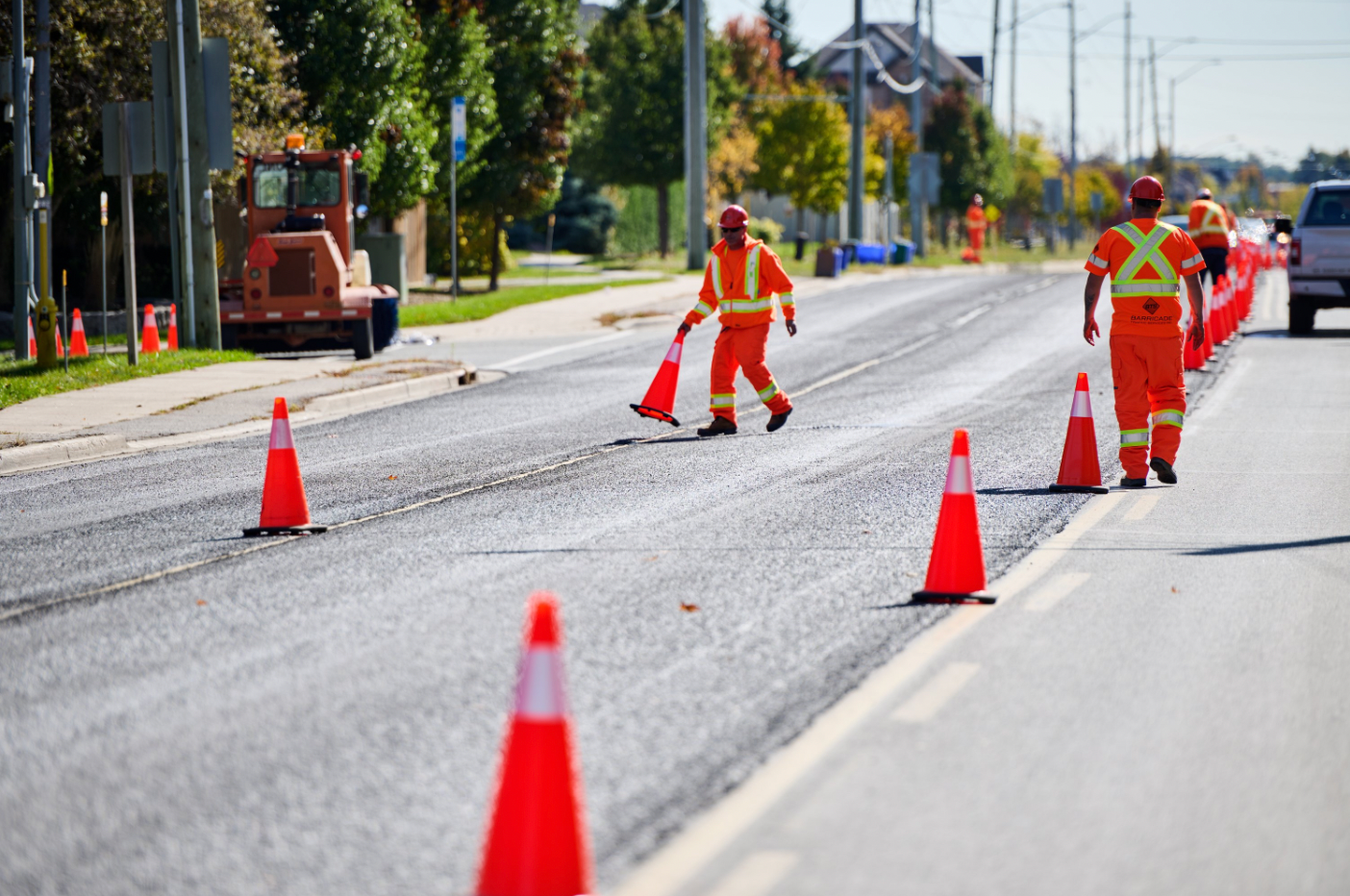
 Traffic Safety Cones are one of the most common tools used in Traffic Control. They are simple but very effective. Their bright color and shape make them easy to see.
Cones create clear paths for drivers. They guide vehicles through lane shifts and closures. When placed correctly, they form a smooth and predictable route.
This reduces hesitation. Drivers know exactly where to go. This lowers the chance of accidents. Data from road projects shows that proper cone placement improves traffic flow and reduces collisions.
The Impact of PCMS on Driver Awareness
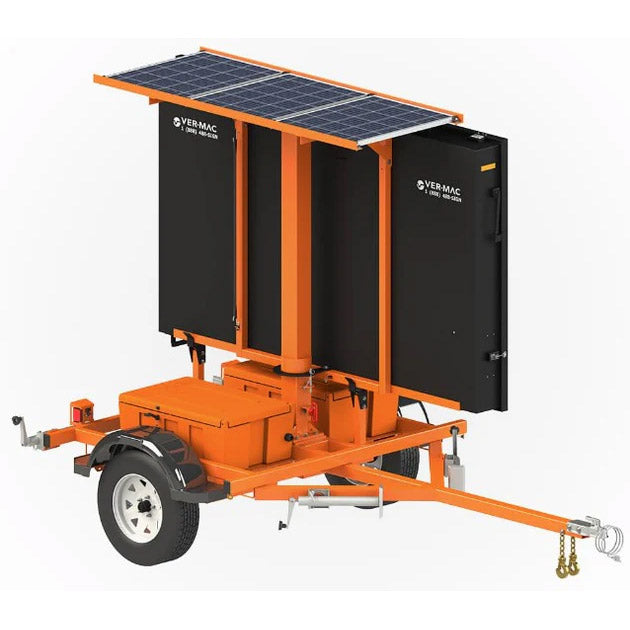
A PCMS, or Portable Changeable Message Sign, is a powerful tool. It displays real-time messages to drivers. These messages can warn about hazards, delays, or lane closures.
PCMS units improve awareness. Drivers receive information before they reach the work zone. This gives them time to react safely.
Studies show that early warning reduces crash rates. When drivers know what to expect, they make better decisions. A PCMS helps create this awareness in a clear and simple way.
Data Shows Safer Speeds Save Lives
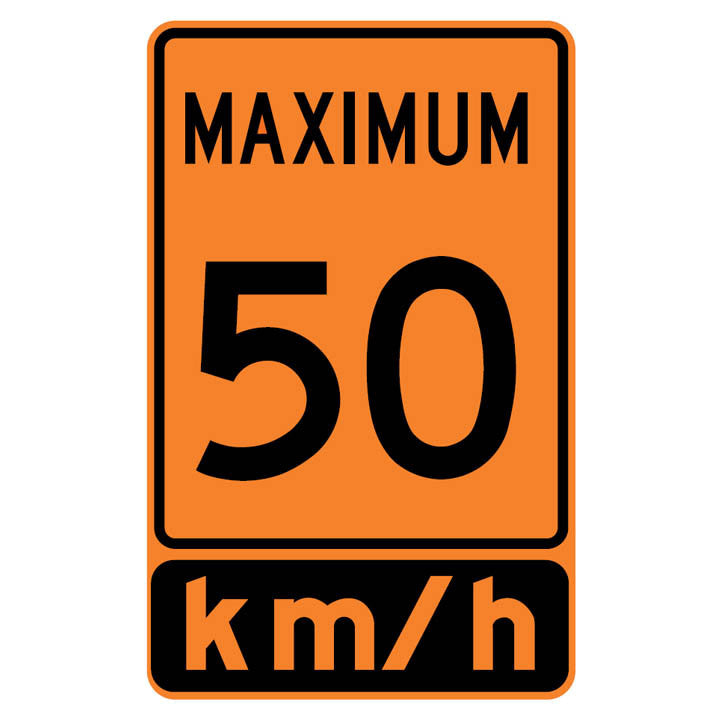
Speed is a major factor in road accidents. Higher speeds increase the chance of severe injuries. Traffic Control systems are designed to reduce speed in high-risk areas.
Traffic Safety Cones, signs, and PCMS units all work together to slow traffic. They create a visual and mental signal for drivers to be cautious.
Data from work zones shows that reduced speeds lead to fewer and less severe accidents. Even a small drop in speed can make a big difference in safety outcomes.
Reducing Human Error on the Road
Most accidents are caused by human error. Drivers may be distracted. They may not notice changes in the road. Traffic Control helps reduce these errors.
Clear signs and devices guide drivers step by step. They remove guesswork. This makes driving easier and safer.
A well-designed Traffic Control plan supports driver behavior. It helps people make the right choices without confusion.
Protecting Workers on Site
Construction workers face daily risks. They work close to moving traffic. Strong Traffic Control creates a safe space for them.
Traffic Safety Cones mark the work zone. Barriers provide protection. PCMS units warn drivers to slow down and stay alert.
Data shows that proper work zone setups reduce worker injuries. When drivers follow clear guidance, the risk to workers decreases significantly.
Improving Traffic Flow and Reducing Collisions
Traffic flow plays a big role in safety. Stop-and-go traffic increases the chance of rear-end collisions. Sudden lane changes also create risk.
Traffic Control helps create smooth movement. Cones guide vehicles into the correct lanes. PCMS units provide clear instructions.
When traffic moves steadily, drivers feel more comfortable. This reduces stress and improves reaction time. Data shows that smoother flow leads to fewer accidents.
The Role of Planning and Design
Every successful Traffic Control setup starts with a plan. Experts study the road, traffic patterns, and risks. They design a system that keeps everyone safe.
This includes placing Traffic Safety Cones correctly. It includes using PCMS units in key locations. It also includes regular checks and adjustments.
Good planning ensures that all tools work together. This creates a strong and effective safety system.
Real Results from Proper Traffic Control
Across Ontario, projects that use strong Traffic Control systems show better results. There are fewer accidents. There are fewer injuries. Traffic moves more efficiently.
These results are not by chance. They come from using the right tools in the right way. They come from following proven methods and standards.
Data continues to show that investing in Traffic Control saves lives. It protects workers, drivers, and communities.
The Future of Safer Roads
Traffic Control will continue to improve. New technology like advanced PCMS systems will provide even better communication. Smarter tools will help manage traffic more effectively.
But the goal will stay the same. Keep people safe. Reduce accidents. Save lives.
Traffic Safety Cones and other tools will remain essential. They are simple but powerful. Combined with modern technology, they create a strong safety system.
---
Traffic Control is one of the most important parts of road safety. It guides drivers, reduces risk, and protects workers. Tools like Traffic Safety Cones and PCMS units play a major role in this system.
Data shows clear results. Better Traffic Control leads to fewer accidents and safer roads. It improves traffic flow and reduces confusion.
Every cone placed and every message displayed has a purpose. Together, they create a safer environment for everyone. Traffic Control does not just manage roads. It saves lives.