
How PCMS Stay Bright in Daylight and Visible at Night
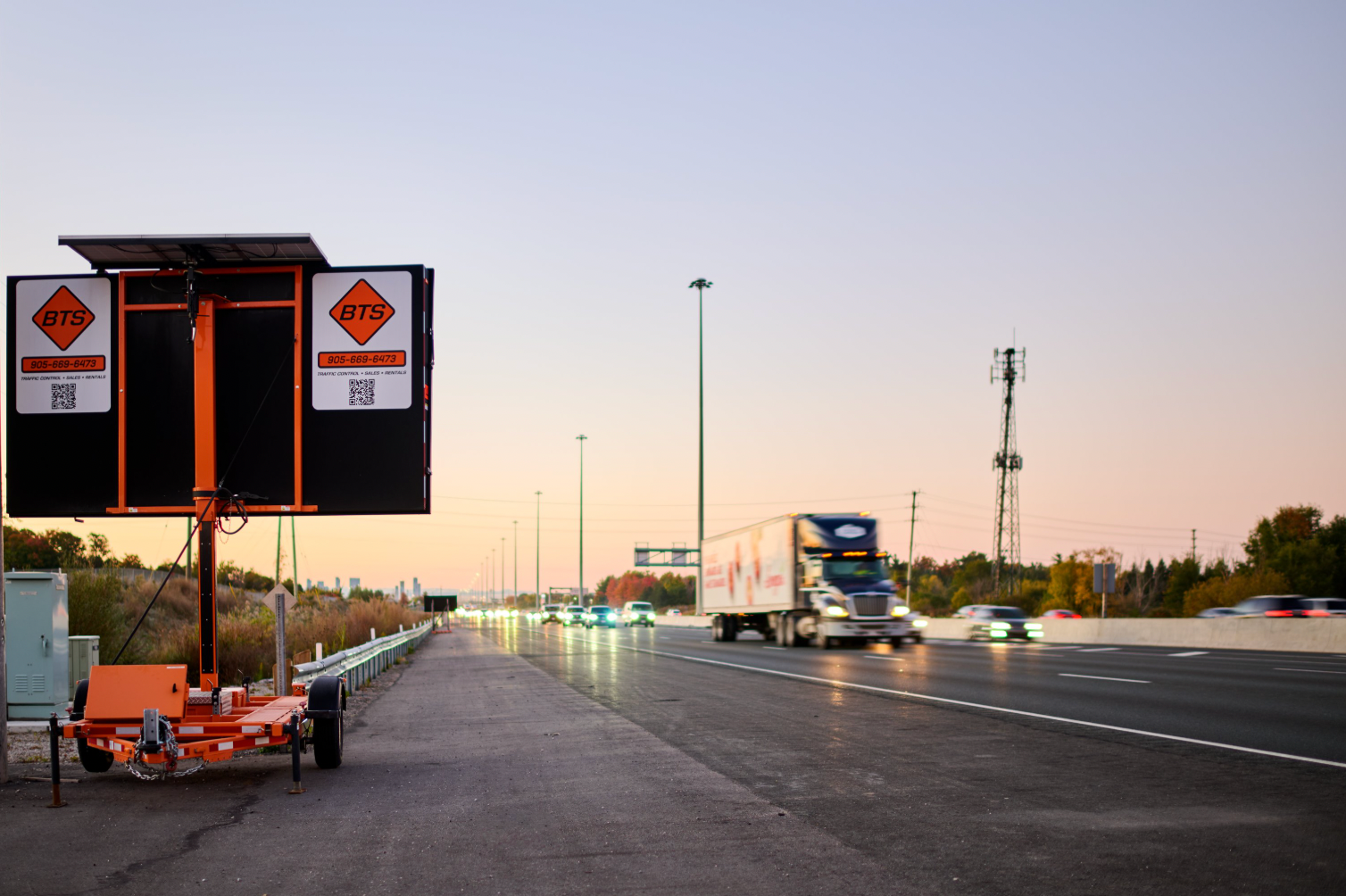
When you see a portable message board on the side of a road — a PCMS — it may seem like a simple sign. But in reality it represents a carefully engineered system designed to stay readable and safe whether it's broad daylight or pitch dark. A well-designed PCMS balances maximum visibility with safety, ensuring that drivers and pedestrians can read important messages under all lighting conditions. Understanding how these signs work helps explain why they are a backbone of modern road safety, construction zones, and temporary traffic control.
What is a PCMS and Why Brightness Matters

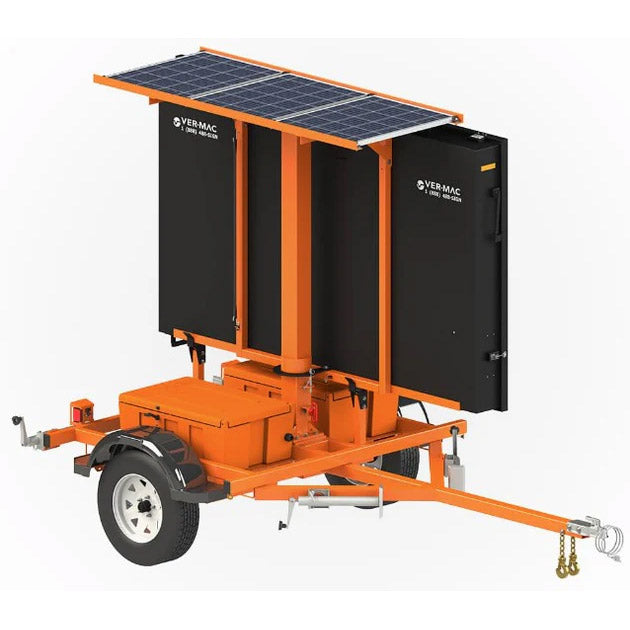
A PCMS (Portable Changeable Message Sign) is a mobile, trailer-mounted display that shows messages about traffic conditions, detours, hazards, construction zones, or emergencies. Unlike static signs made of metal and reflective sheeting, a PCMS uses a digital display — usually composed of LEDs — that can change messages in real time. That flexibility makes it a powerful tool for Construction Signs, Construction Traffic Signs, or Road Construction Traffic Signs, because conditions on roads and work zones often change at short notice.
Because PCMS are used outdoors — on highways, city roads, or work sites — they need to be extremely bright during daylight so that the message remains legible even under direct sun, glare, or reflections. At the same time, during dusk, night, or rainy/foggy weather, the display must dim appropriately: too bright and it would blind or distract drivers; too dim and drivers might miss the message entirely. The technology behind PCMS allows them to strike this balance reliably, which is why they stay essential for traffic control even after decades of use.
The Technology Behind PCMS: LED Displays, Sensors, and Smart Design

Modern PCMS almost always use LED display technology. LEDs (light-emitting diodes) offer high brightness, energy efficiency, long lifespan, and quick response times — making them ideal for outdoor message signs.
Because LED arrays can produce strong illumination, a PCMS can remain clearly visible even under intense sunlight. High brightness and strong contrast help the message stand out against a bright sky or sunlit surroundings.
But brightness alone is not enough. To stay effective in changing light conditions, PCMS incorporate several critical design features:
One major feature is an ambient-light sensor (also called a photocell). This sensor constantly monitors the amount of surrounding light — whether it’s bright daylight, overcast weather, or darkness — and automatically adjusts the display brightness accordingly. When sun is strong, the LEDs ramp up to maximum output; when it's night or dim, the system dims down to prevent glare.
Beyond automatic dimming, many PCMS employ optical lenses, visors, and carefully engineered display geometry. These components focus the LED light toward oncoming drivers and help reduce wasted light or glare that might scatter in unwanted directions. This ensures the board remains visible at long distances during day and night, and helps maintain good contrast between the message and background.
Also important: PCMS screens use high-contrast colour schemes and carefully set pixel spacing (or pixel “pitch”) to ensure that letters remain legible from a safe viewing distance. When traffic moves quickly — on highways or fast roads — the sign needs to be readable from far away so drivers have enough time to react. Regulatory guidance recommends that changeable message signs on high-speed roads must remain visible from long distances both day and night.
Finally, because brightness and power consumption matter over long deployment periods (like multi-week or multi-month construction jobs), PCMS are engineered for efficiency and durability. Many models come with solar panels or energy-efficient power systems to support constant operation without frequent maintenance.
PCMS in Action: How They Perform in Real Road and Construction Conditions

Daytime Visibility — Overcoming Sun, Glare, and Environmental Challenges
During daytime, sunlight can create tremendous glare, making standard static signs or reflective boards difficult to read. But the high-brightness LED display on a PCMS counters that problem. Even under direct sunlight, the message remains bright, clear, and easier to read—helping drivers spot lane changes, detours, or hazards from a distance.
Because of the optical design (visors, focused LEDs), the sign minimizes reflections and ambient washout. Even in dusty, rainy, or foggy conditions typical of many work sites, LED brightness penetrates atmospheric interference better than painted or reflective signs — improving safety on busy roads or construction zones.
Nighttime and Low-Light Conditions — Ensuring Clarity Without Glare
At night, without proper dimming and design, a LED board can become a glare hazard. Poorly adjusted brightness can dazzle drivers, impair vision, or distract at a critical moment. That’s why modern PCMS automatically reduce brightness at night and use shielded optics to contain light within a safe viewing angle. This careful balance prevents glare and ensures that drivers can still read messages clearly without eye strain or confusion.
In addition, because LED boards don’t rely on ambient light, they remain legible even when streetlights are dim or absent. For roadwork zones, emergency detours, or late-night maintenance, PCMS ensure messages remain visible and effective no matter what time it is or how poor the weather gets.
Why PCMS Are Important in Construction, Road Work, and Traffic Control Zones

Construction zones and road works create constantly changing conditions: lanes shift, detours pop up, speed limits change, and hazards may appear. Static signs alone — even with reflective sheeting — cannot keep up with sudden changes. That’s where PCMS prove their value.
With a PCMS, traffic controllers can update messages in real time: warn about lane closures, redirect traffic, indicate delays, or broadcast emergency information. Because the messages can be changed instantly, the sign always reflects current conditions and ensures that drivers always receive accurate, up-to-date guidance.
Using PCMS in construction zones adds a dynamic, responsive layer to traditional Construction Signs or Road Construction Traffic Signs. The combination helps maintain safe flow, reduces confusion, and prevents accidents even when patterns shift overnight. For long-term works, PCMS provide consistent messaging without human errors or wear-and-tear that static signs may suffer.
Furthermore, PCMS help meet regulatory visibility standards. On high-speed roads or highways, variable message signs often must be legible from long distances under both day and night conditions. PCMS meet those requirements where static signs may fall short.
Flexibility, Efficiency, and the Advantage of Portable Message Signs

One of the biggest strengths of PCMS is portability. Because these are trailer-mounted and self-powered (often via solar or battery), crews can tow them to almost any location — city streets, rural highways, work zones, event sites, or emergency areas — and install them quickly. They don’t require permanent wiring or infrastructure.
This flexibility makes PCMS a smart solution for temporary or changing traffic control needs: short-term construction, seasonal work, emergencies, detours, or unpredictable conditions. Because they are reusable and mobile, they offer long-term value and adapt easily to shifting projects, which is ideal for Traffic Control Companies that handle multiple sites.
Moreover, modern PCMS displays often include remote-control systems. Operators can update messages from a distance, respond quickly to new events, and manage fleets of signs from central offices. This capability saves time, improves responsiveness, and reduces the need for manual on-site adjustments.
Challenges, Maintenance, and Best Practices for PCMS Use

While PCMS are powerful, they require proper maintenance and smart usage. Because they rely on electronic components, battery or solar systems, and sensors, regular inspection is essential. Dirt, dust, or damage to the LED surface, visor, or photocell can reduce visibility.
Additionally, message design matters. Signs overloaded with text can be hard to read — especially at high speed. Experts recommend messages be short, simple, and easy to scan, so drivers don’t take their eyes off the road too long.
When a PCMS is not in use, best practice is to turn its display away from traffic or remove the sign, to avoid confusing or distracting drivers with obsolete messages. Also, when working on long-term projects, cleaning and component checks must be scheduled periodically to preserve brightness and reliability.
Clear, Adaptive Communication = Safer Roads

PCMS combine modern technology with smart design to deliver clear, timely, and adaptive messages to drivers — whether under bright sun or in the darkest night. They integrate seamlessly with Construction Signs, Construction Traffic Signs, and Road Construction Traffic Signs to form a robust system of traffic control. Their portability, adjustable brightness, and reliable performance make them indispensable in modern road work, construction zones, events, and emergency situations.
For safety, clarity, and confidence on the road, using well-maintained PCMS is a smart choice. When you want reliable PCMS and expert support, Barricade Traffic Services offers dependable solutions to keep your traffic control plans effective, visible, and safe.