10 Surprising Ways Traffic Cones Keep You Safe Every Day
Every day, we might pass dozens of orange cones on roads, at construction sites, or in parking lots — and it’s easy to take them for granted. Yet a simple Traffic Cone does much more than mark a temporary lane or block parking. In surprising and sometimes subtle ways, Traffic Safety Cones help protect drivers, pedestrians, and workers, and contribute to smoother traffic flow. When used together with heavier equipment like Traffic Barrels, construction barrels or tc54 traffic barrel systems, cones become part of a larger safety network that helps make everyday travel safer, even when conditions change. Let’s explore ten important ways traffic cones help keep us safe — often without us even noticing.
Enhanced Visibility and Early Warning

At the heart of every cone’s safety function is its color and shape. The bright orange of a traffic cone stands out against asphalt, concrete, or urban background. When used ahead of hazards — a lane closure, a pothole, a narrow passage — a cone gives drivers early visual warning. Even in poorly lit conditions, many cones come with reflective collars that catch headlights, alerting motorists before they fully enter a risky zone. This early warning helps reduce accidents that might otherwise happen when drivers slow suddenly or swerve unexpectedly.
Beyond immediate hazards, cones often anticipate complications. They signal upcoming changes in road layout, upcoming detours, or shifting traffic patterns. That early visual cue gives drivers time to react safely. Without cones, many temporary hazards would only become visible at the last moment — a far more dangerous situation.
Guiding Pedestrians and Protecting Foot Traffic

Traffic cones don’t only protect drivers. In urban environments, sidewalks and pedestrian routes sometimes intersect with roadwork or utility work. Cones help mark safe walkways, guiding pedestrians safely around construction zones or blocked sidewalks. They also alert pedestrians to possible hazards like open manholes or work equipment. Especially in busy city streets or mixed-use areas, cones keep foot traffic separated from vehicle zones, reducing risk for walkers, joggers, or cyclists.
In parking lots, especially at night, cones help indicate unsafe patches — areas under maintenance, freshly painted lines, or sections where vehicles should not park. By guiding foot traffic around these zones, safety cones reduce accidents and confusion.
Traffic Flow Management and Temporary Lanes

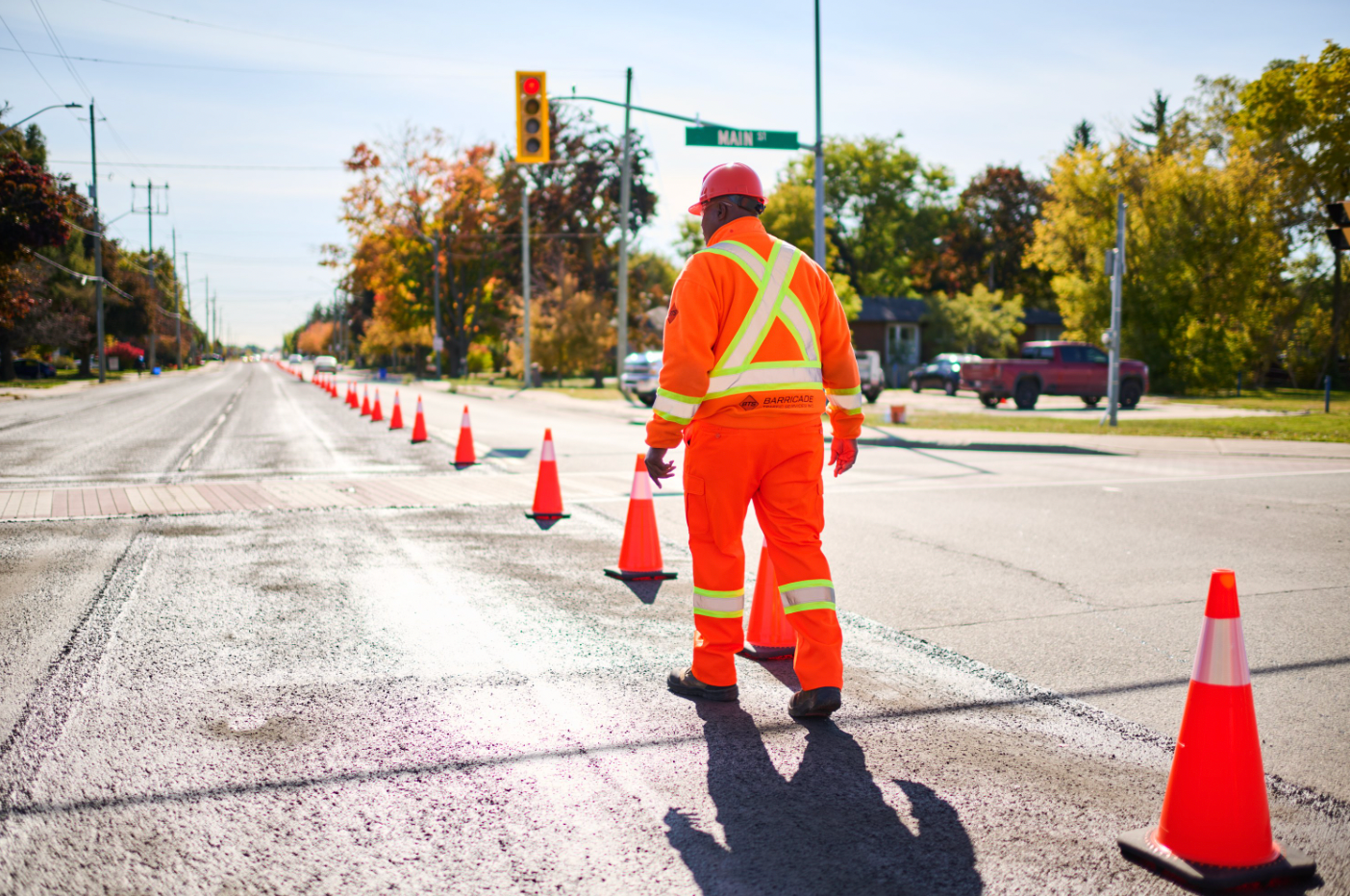
Whenever roads narrow, lanes close, or traffic patterns shift — due to construction, maintenance, or road incidents — cones become critical. A row of cones can create a temporary lane, guide vehicles through detours, or split traffic flows. Without cones, drivers might attempt to merge at the last moment or block intersections while figuring out where to go. Cones create order and help maintain continuous flow while crews work.
In complex detours, traffic cones often combine with traffic barrels or heavier barriers for added structure. These installations protect both traffic and workers. This layered approach — cones for initial guidance, barrels for physical separation — significantly reduces collisions and confusion.
Slow-Speed Zones and Safety-Critical Work Areas

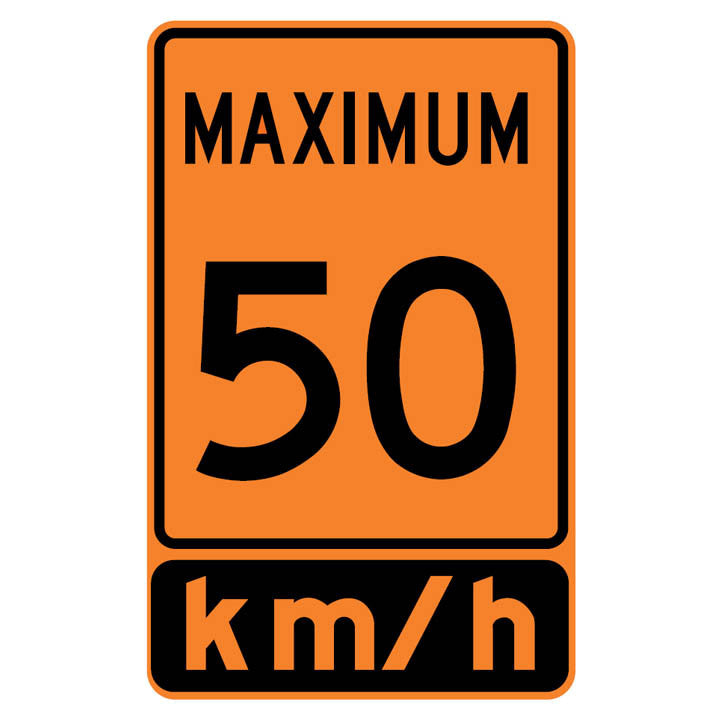
Construction sites, utility repairs, and maintenance zones often require drivers to slow down. A lone posted sign may not always catch driver attention, but when a Traffic Safety Cone appears with reflective bands and warning indicators, drivers instinctively slow down. The visual disruption forces awareness. This is especially helpful near construction barrels or tc54 traffic barrel setups, where workers or heavy equipment operate close to traffic.
By marking slow-speed zones clearly, cones help prevent accidents that occur at night, during rain, or in low-visibility conditions. Cones are lightweight but powerful tools for enforcing caution without needing continuous human oversight.
Protecting Work Crews and Road Workers

In many construction or maintenance projects, workers must operate near active lanes. Traffic cones act as a first level buffer between moving vehicles and workers. When properly placed, they give that extra bit of distance and visual warning. Drivers can see a line of cones and know to give space or steer carefully.
When combined with heavier barricades or traffic barrels behind them, cones add flexibility. Workers can shift them as the project advances, maintaining a safe zone around active work areas. This helps prevent accidents involving workers and builds a safer environment for crews working close to traffic.
Temporary Parking Controls and Lot Safety

In parking lots — especially those of commercial buildings, shopping centers, or event venues — cones help manage flow and prevent parking chaos. When traffic barrels or other barriers are too heavy or unnecessary, traffic cones mark no-parking zones, guide entry/exit paths, or block off maintenance or loading areas.
Because they are easy to deploy and remove, traffic cones are ideal for short-term adjustments. A store might block off parking spots during cleaning, maintenance, or delivery. A parking lot during busy hours might use cones to direct flow. With proper signage, traffic cones help drivers understand where to go and where not to park — reducing vehicle damage, confusion, and accidents.
Crowd Management at Events, Concerts, and Festivals

Large events or concerts often see a flood of vehicles and pedestrian traffic. Traffic cones help organizers shape parking zones, guide drop-off lanes, and manage pedestrian entry or exit paths. Because they are flexible and easy to set up, cones allow routes to change as needed without heavy infrastructure.
For example, at a music festival, traffic cones can mark temporary shuttle pickup zones or pedestrian walkways. When used with signage and occasional barrels, they help separate pedestrians from moving vehicles, manage long queues, and create safe, organized flow. In crowds and partial darkness, the visibility of cones contributes to safer movement for all.
Sports Events, Stadium Access, and Post-Game Traffic Control

Sporting venues face significant challenges with inbound and outbound traffic, especially when thousands of fans arrive or leave at once. Traffic cones play a major role in organizing parking areas, guiding cars to stalls, and lining pedestrian walkways. After the game ends, cones help define temporary lanes for exits, shuttle buses, or rideshare pickups.
Because cones are quick to deploy, stadium staff can adapt the traffic plan depending on crowd size, security requirements, or emergency conditions. Very often, cones work together with heavier elements like traffic barrels or barricades, giving both flexibility and structure. This combination helps avoid post-game chaos, ensures safer exits, and reduces risks for vehicles and pedestrians alike.
Supporting Emergency Response and Unexpected Road Disruptions

Emergencies — whether accidents, fallen trees, water main breaks, or weather-related hazards — change roadway conditions suddenly. In those moments, traffic cones are one of the fastest ways to secure an area, block off danger zones, or redirect traffic while crews respond. First responders, utility companies, or city crews rely on cones to create safe work zones and protect the public.
Because traffic cones are portable and require no installation tools, teams can deploy them in minutes, creating a safe perimeter until permanent repairs or cleanup finish. Their presence warns drivers immediately that something is wrong, reducing speed and diverting traffic away from danger.
Daytime and Nighttime Safety: Enhancing Visibility

Traffic cones are effective both day and night. During daylight, their bright color catches the eye among asphalt, concrete, or construction materials. At night, many traffic cones include reflective collars or bands. When headlights hit them, the cones glow — alerting drivers well before they reach the hazard. This dynamic visibility helps manage speed, warn of closures or lane shifts, and prevent accidents in dark or low-visibility conditions.
Because traffic barrels and barricades are often less flexible at night, cones serve as ideal temporary markers that can be adjusted or removed as needed. They deliver consistent visual cues that drivers learn to trust.
Supporting Flexible and Temporary Traffic Control Solutions

Finally — perhaps most importantly — cones support flexibility. Traffic patterns change, projects move, crowds fluctuate. Using permanent fixtures everywhere would be inefficient, costly, and impractical. Traffic cones offer a lightweight, adaptable solution for short-term or dynamic conditions. They support barricade rent strategies where companies or organizations only need equipment temporarily, such as during events, maintenance jobs, or emergency response.
Because cones are easy to store, transport, and deploy, they help Traffic Control Companies provide fast, responsive service. This ability to scale up and down — renting or buying depending on need — makes cones a key tool for traffic safety across contexts.
Traffic cones may appear simple, but their impact on everyday safety is substantial and often under-appreciated. From protecting road workers and guiding construction zones to managing crowds at concerts, festivals, and stadiums — from helping emergency crews respond quickly to improving visibility at night — traffic cones (and, when needed, traffic barrels or construction barrels) play a vital role in keeping roads, events, and public spaces safe and orderly.
If you want reliable equipment for traffic safety or crowd control — whether you need temporary setups or long-term support — consider working with a trusted provider for Traffic Safety Cones, Traffic Barrels, and other necessary tools. Safety begins with the right equipment — and traffic cones remain one of the most effective, flexible, and essential tools we use every day.