
Portable Traffic Signal Signal: When You Should Use Them
Traffic safety is a top priority on Ontario roads. Construction zones, lane reductions, and emergency repairs create sudden changes in traffic flow. Drivers must know when to stop and when to go. Clear direction prevents accidents. This is where a Traffic Signal Signal system becomes essential. Portable traffic signals provide strong and reliable control when normal road patterns are disrupted.
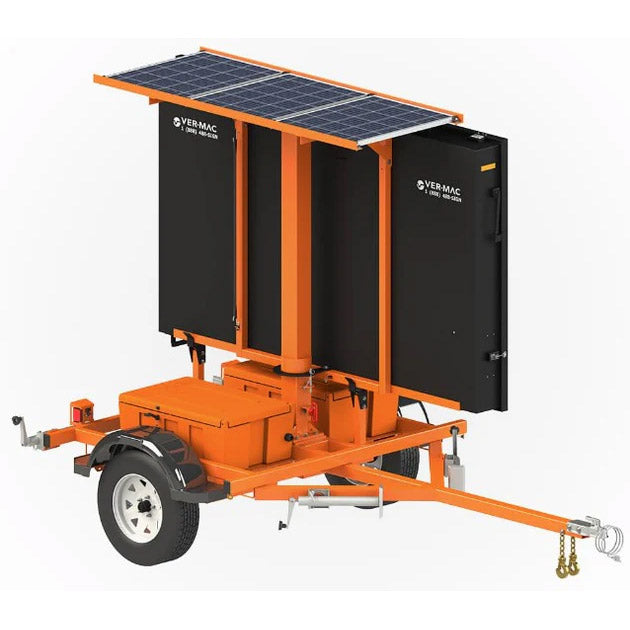
A portable Traffic Signal Signal is a temporary traffic light system. It controls vehicle movement through construction zones, single-lane roads, and temporary detours. Unlike permanent traffic lights, these systems are mobile. Crews can transport them easily and install them quickly. They operate with timed cycles or remote controls. They use standard red, yellow, and green lights. Drivers recognize these signals instantly. This familiarity improves safety and compliance.

Portable signals play a major role in effective Traffic Control. When a project reduces a two-lane road to one lane, traffic must alternate directions. Without a clear signal, drivers may enter the narrow section at the same time. This creates confusion and risk. A Traffic Signal Signal removes guesswork. It tells drivers exactly when to stop and when to proceed. This reduces head-on collisions and keeps traffic moving smoothly.
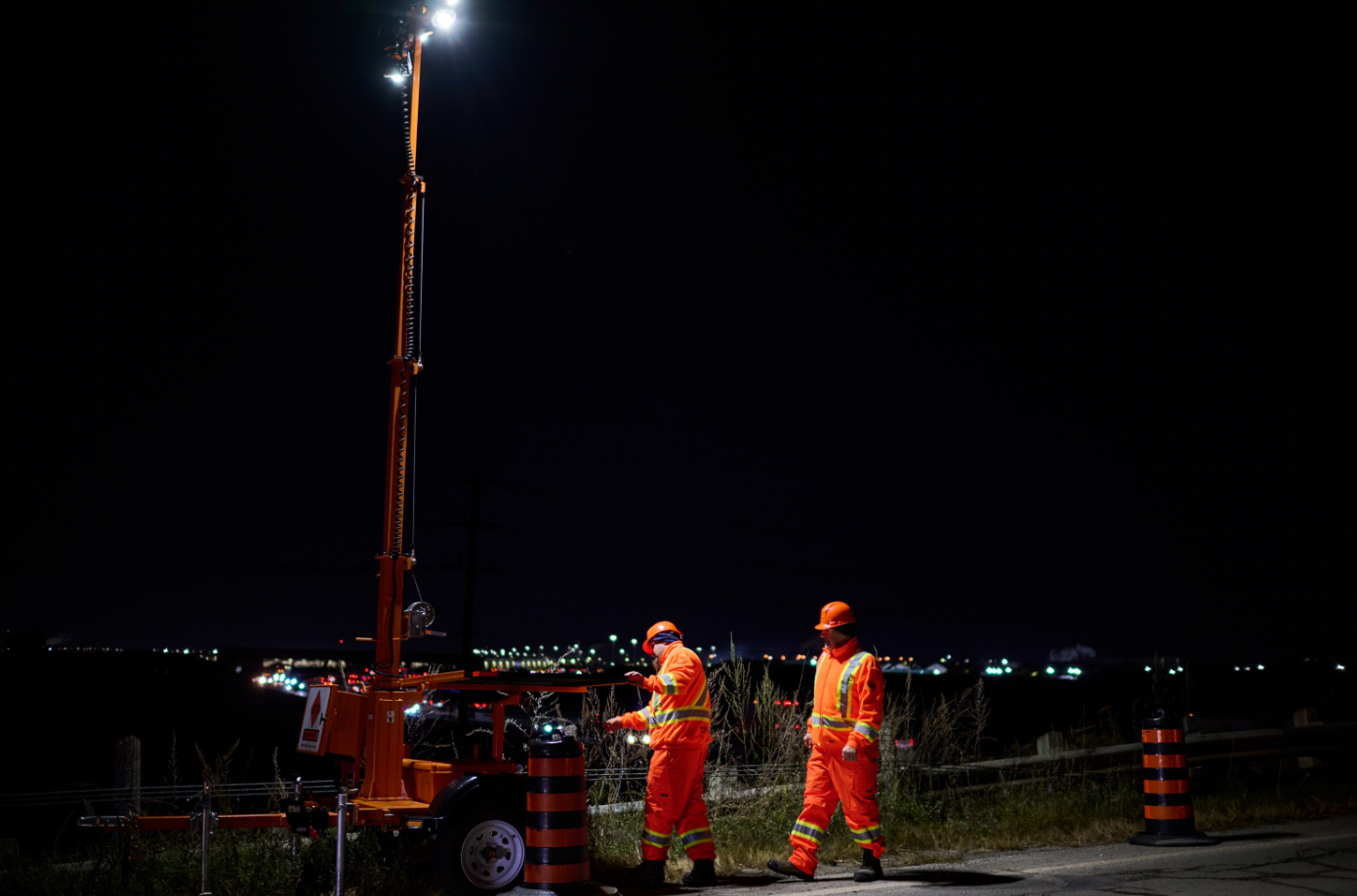
Construction projects often require temporary lane closures. Bridge repairs, utility work, and road resurfacing are common examples. Workers may operate only a few feet away from active traffic. Portable signals create safe work zones by controlling vehicle speed and direction. They reduce the need for constant manual flagging. This protects workers from standing in live traffic for long periods.
Portable Traffic Signal Signal systems are also useful in emergency situations. Storm damage, fallen trees, or vehicle collisions can block part of a roadway. Quick deployment of temporary signals restores order fast. Crews can manage traffic flow safely while repairs are underway. This fast response improves safety for drivers and emergency workers.
Ontario weather conditions increase the need for strong Traffic Control systems. Snowfall, heavy rain, and fog reduce visibility. Drivers need clear and consistent signals during these conditions. Portable traffic lights are built with bright LED displays that remain visible in poor weather and low light. Many systems include battery backups or solar panels to maintain operation during power interruptions.
Another important use of portable Traffic Signal Signal systems is during special events. Large gatherings such as festivals, parades, or road races often change normal traffic patterns. Temporary signals help manage increased vehicle flow. They create controlled intersections where traffic would otherwise become congested. Organized traffic movement improves safety for both drivers and pedestrians.

Compared to manual flagging, portable signals offer consistency. Human flaggers can become tired during long shifts. Weather conditions can also affect visibility and communication. Automated Traffic Control systems maintain steady timing cycles. They provide predictable traffic movement throughout the workday. This reliability improves driver confidence and reduces aggressive driving behavior.
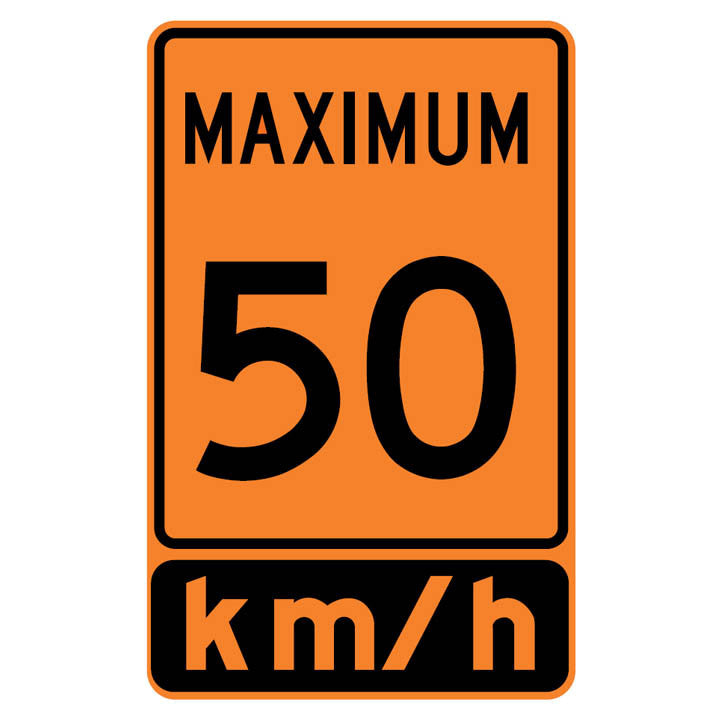
Proper setup is critical for effectiveness. Traffic Control professionals assess road width, speed limits, visibility, and traffic volume before installing a Traffic Signal Signal system. Signals must be positioned where drivers can see them from a safe stopping distance. Timing must match traffic speed and road length. Clear signage should also support the signal to warn drivers in advance.
Maintenance and monitoring are also important. Portable signals must remain aligned and visible. Batteries must stay charged. Timing should be adjusted if traffic patterns change. Professional Traffic Control teams inspect systems regularly to ensure smooth operation. Quick adjustments prevent delays and improve safety.
Choosing to use a portable Traffic Signal Signal depends on project needs. Short-term repairs on low-speed roads may only require cones and signs. However, when traffic alternates directions or speeds remain high, temporary signals become necessary. They provide stronger control and reduce risk in complex work zones.
In Ontario’s busy road environment, safe traffic management cannot rely on guesswork. Clear signals save lives. Portable traffic signals deliver organized movement, protect workers, and prevent collisions. They are a powerful part of any well-designed Traffic Control plan.
When used correctly, a Traffic Signal Signal system creates order in situations that could otherwise become dangerous. From construction projects to emergency repairs and public events, portable signals provide flexible and reliable control. With professional planning and proper installation, they help keep Ontario roads safe for everyone.