
Why Message Boards (PCMS) Improve Traffic Flow on Work Zones
What Is a PCMS in Traffic Control?
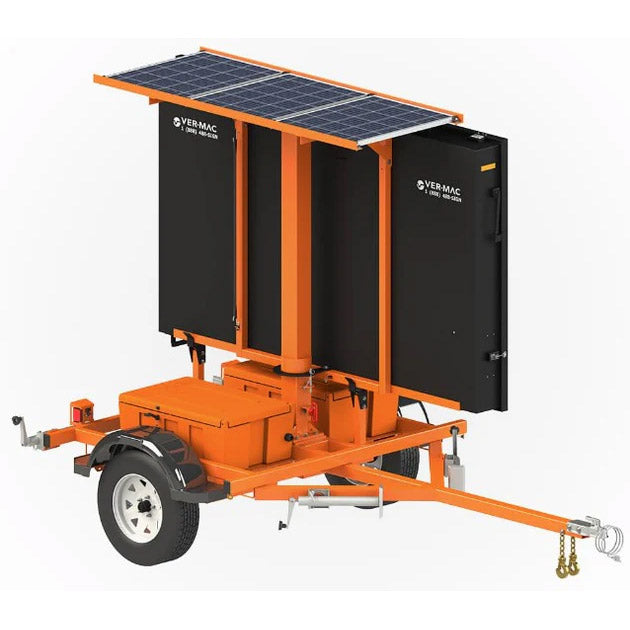
A PCMS is a Portable Changeable Message Sign. It is a digital message board used on roads and highways. It displays clear text messages to drivers. These messages can change at any time. This makes a PCMS one of the most flexible tools in Traffic Control.
In Ontario, work zones change often. Lanes close. Traffic shifts. Speeds reduce. Drivers need real-time information. Static signs cannot always keep up. A PCMS solves this problem. It updates messages instantly. It gives drivers the information they need before they reach the work zone.
Why Clear Communication Matters in Work Zones
Work zones are high-risk areas. Drivers face sudden changes. Workers operate close to moving vehicles. Confusion increases the chance of accidents. Good Traffic Control depends on clear communication.
A PCMS improves communication. It gives drivers advance warning. It tells them what to expect ahead. This reduces sudden braking and last-minute lane changes. When drivers understand the situation early, they drive more calmly and safely.
Clear messages also build trust. Drivers are more likely to follow instructions when they are easy to understand. This leads to smoother traffic flow through the work zone.
How PCMS Improves Traffic Flow

Traffic flow depends on timing and spacing. When drivers react too late, traffic slows down quickly. This creates congestion and delays. A PCMS helps prevent this.
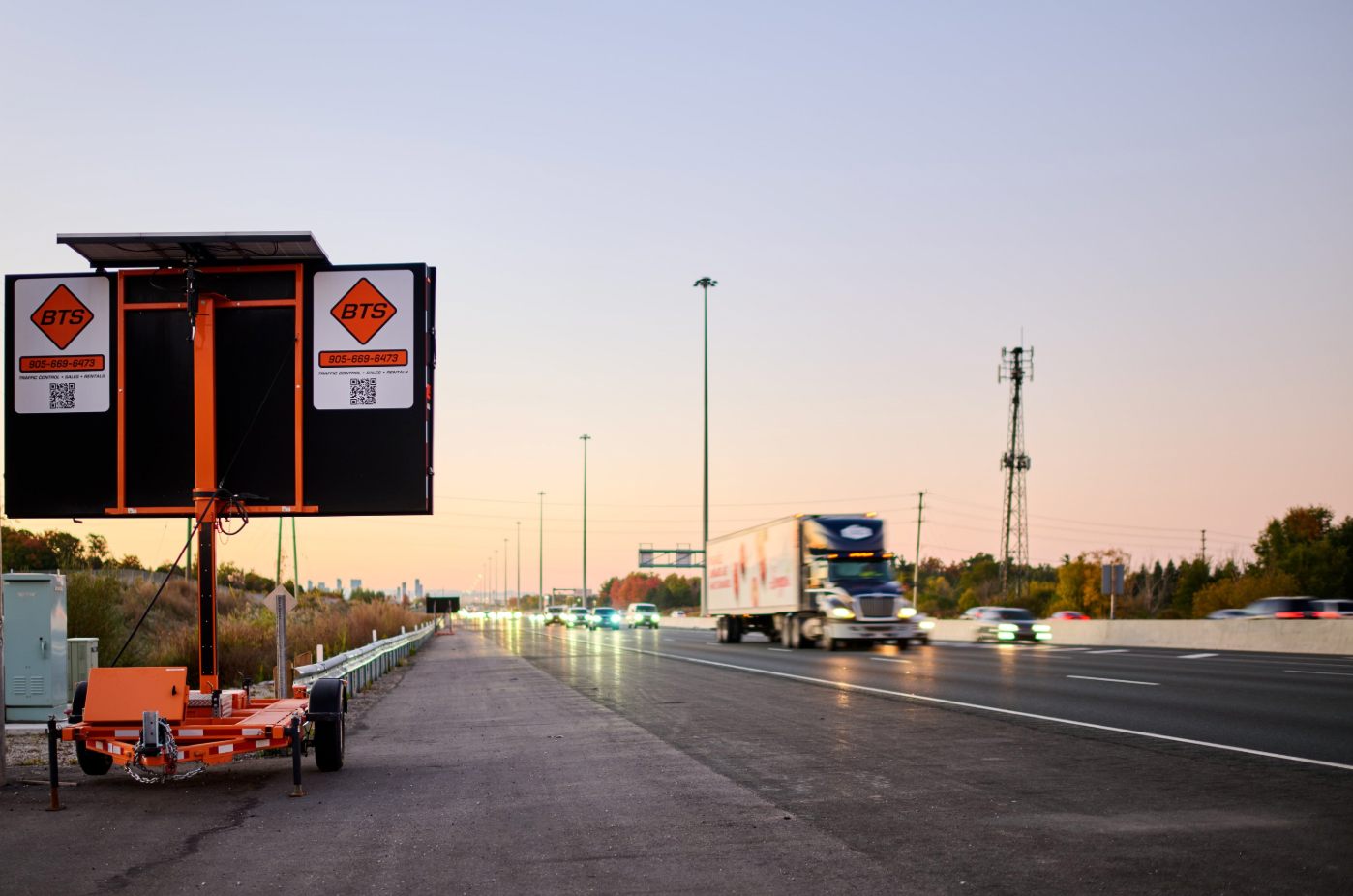
By placing a PCMS before a work zone, drivers receive early instructions. For example, the sign may say “Lane Closed Ahead” or “Merge Right.” This gives drivers time to adjust their speed and position. Traffic moves in a more controlled way.
When drivers merge early, there are fewer sudden stops. This reduces bottlenecks. It also lowers the risk of rear-end collisions. A steady flow of vehicles improves safety for everyone on the road.
Real-Time Updates for Changing Conditions
One of the biggest advantages of a PCMS is real-time updates. Work zones are not static. Conditions can change throughout the day. Weather may shift. Traffic volume may increase. Lane closures may expand.
A PCMS allows crews to update messages instantly. If a lane closes suddenly, the message can change right away. If traffic builds up, new instructions can guide drivers through alternate routes.
This flexibility makes PCMS a key part of modern Traffic Control systems. It keeps drivers informed at all times. It also helps crews respond quickly to unexpected situations.
Better Safety for Drivers and Workers
Safety is the main goal of Traffic Control. A PCMS plays a direct role in reducing accidents. When drivers know what is ahead, they make better decisions. They slow down earlier. They stay in the correct lane. They avoid sudden movements.
This creates a safer environment for workers. Crews can focus on their tasks without constant risk from unpredictable drivers. A clear message reduces confusion and stress for everyone involved.
In high-speed zones, this is even more important. A PCMS gives drivers more time to react. This extra time can prevent serious accidents.
Supporting Other Traffic Control Devices
A PCMS does not replace cones, barrels, or signs. It works with them. It strengthens the overall Traffic Control plan.
For example, cones guide drivers through a lane shift. Barrels create strong visual boundaries. Static signs provide standard warnings. A PCMS adds another layer. It explains the situation in simple words.
This combination improves understanding. Drivers see the message, then follow the physical path. This creates a complete and effective system.
Useful in Many Situations
PCMS units are used in many types of projects across Ontario. They are common in road construction zones. They help manage highway repairs and bridge work. They guide traffic during lane closures and detours.
They are also useful during emergencies. Accidents, weather events, or road damage can disrupt traffic quickly. A PCMS can display urgent messages to guide drivers safely.
Public events also benefit from PCMS use. Large crowds and road closures can create confusion. Clear digital messages help direct traffic and reduce congestion.
Visibility in All Conditions
Ontario weather can be unpredictable. Rain, snow, fog, and darkness reduce visibility. A PCMS is designed to perform in all conditions. Bright LED displays ensure messages remain clear day and night.
This makes a PCMS more reliable than many other Traffic Control tools. Drivers can read messages from a distance. This improves reaction time and supports smoother traffic flow.
Cost-Effective Traffic Control Solution
While a PCMS is an advanced tool, it can be cost-effective. It reduces accidents. It improves traffic flow. It lowers delays. All of these factors save time and money.
Many companies choose to rent PCMS units instead of buying them. This allows access to high-quality equipment without large upfront costs. Rental options also include maintenance and support. This ensures the system works properly at all times.
The Role of PCMS in Modern Traffic Control
Traffic Control continues to evolve. Roads are busier. Projects are more complex. Safety standards are higher. A PCMS is now a key part of modern traffic management.
It provides clear, flexible, and real-time communication. It improves driver behavior. It reduces congestion. It protects workers. These benefits make it one of the most valuable tools in any work zone.
A PCMS is more than just a message board. It is a powerful communication tool that improves Traffic Control in every way. It helps drivers understand what is ahead. It creates smoother traffic flow. It reduces risk in high-pressure environments.
In Ontario work zones, clear information is critical. A PCMS delivers that information quickly and effectively. When used correctly, it transforms how traffic moves through construction areas.
For any project that requires safe and efficient traffic management, a PCMS is not just helpful. It is essential.