Technology Transforming Traffic Control in Construction
Construction zones are some of the most challenging places for drivers, pedestrians, and workers. Lanes narrow, routes change suddenly, and visibility often decreases. For decades, traffic control in these areas relied mostly on cones, barricades, manual flaggers, and temporary signs. These tools are still essential, but today, the landscape is shifting. Smart technology is transforming how construction zones operate, making them safer, more efficient, and easier to manage.
With digital tools, sensors, automated systems, and real-time communication, construction sites are evolving into intelligent traffic environments. As the demand for safer roads grows, traffic control companies are integrating technology in almost every part of their planning and operations.
This shift isn’t just about convenience — it’s about reducing crashes, improving traffic flow, protecting workers, and giving drivers clearer information at the right time.
The Rise of Smart Traffic Control in Construction Zones

Smart technology entered the construction world quietly, but its impact has grown rapidly. Early systems focused on simple improvements such as brighter LED signs and GPS-based tracking for construction vehicles. Today, the technology goes much further. Construction zones now use connected devices, automated traffic lights, digital speed monitoring, advanced lighting systems, and intelligent barricades that adjust based on real-time conditions.
The main goal is simple: keep people safe while keeping traffic moving. When technology takes over tasks that were once manual or slow, the margin for human error shrinks. Workers spend less time standing in dangerous positions. Drivers receive clearer directions. Overall visibility improves.
Smart systems also bring consistency. Unlike manual flagging or outdated static signs, digital tools deliver the same message every time — without fatigue, distraction, or weather issues getting in the way. For busy roadways and complex construction zones, this level of reliability can change everything.
Real-Time Data: The Heart of Modern Traffic Control

At the core of smart traffic control is real-time data. Sensors placed around construction zones collect information about traffic speed, vehicle volume, weather conditions, and lane usage. This data flows instantly into central monitoring systems where software analyzes patterns and makes recommendations.
For example, if traffic is backing up before vehicles reach the construction zone, smart systems can automatically lower speed limits or activate bright digital signs that warn drivers earlier. If weather changes — such as heavy fog or rain — smart devices can adjust lighting or enable additional warnings.
Real-time data also helps traffic control companies design safer work zones from the start. Instead of relying solely on estimates or past experience, planners can use real traffic patterns to place barricades, signs, and lane closures exactly where they are most effective.
This data-driven approach reduces risk and improves compliance, because drivers respond better when information comes at the right moment and in the right format.
Smart Traffic Signals: Automation That Improves Flow

One of the biggest advancements in construction zone technology is the rise of smart automated traffic signals. These temporary lights replace human flaggers and control the flow of traffic through single-lane roads, narrow detours, or areas where heavy machinery crosses.
Traditional flagging requires workers to stand close to moving vehicles — one of the most dangerous jobs in the construction industry. Automated traffic signals reduce that exposure completely. They can be controlled manually from a safe distance or fully automated based on traffic density and timing.
Modern systems allow two connected traffic lights to communicate with each other, preventing confusion and improving timing accuracy. Many setups also include vehicle detection sensors that adjust signal timing when long lines of cars approach. This makes travel smoother and reduces driver frustration.
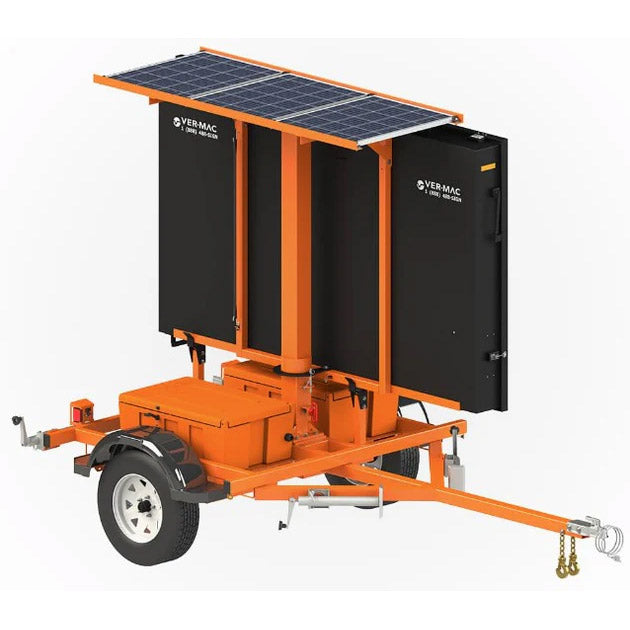
These smart systems communicate directly with drivers using bright LED displays that work in all weather conditions. Compared to static signs or manual flagging, the improvement in clarity is significant.
Digital Speed Displays and Radar Systems

Speed control is one of the most critical aspects of traffic safety in construction zones. Even a small increase in speed can lead to deadly consequences when lanes are narrow and workers stand just a few feet away.
Radar-based speed signs are now widely used to slow drivers down. These digital signs detect approaching vehicles and instantly display their speed, often flashing when cars exceed the limit. Drivers respond quickly because the feedback is immediate and personalized.
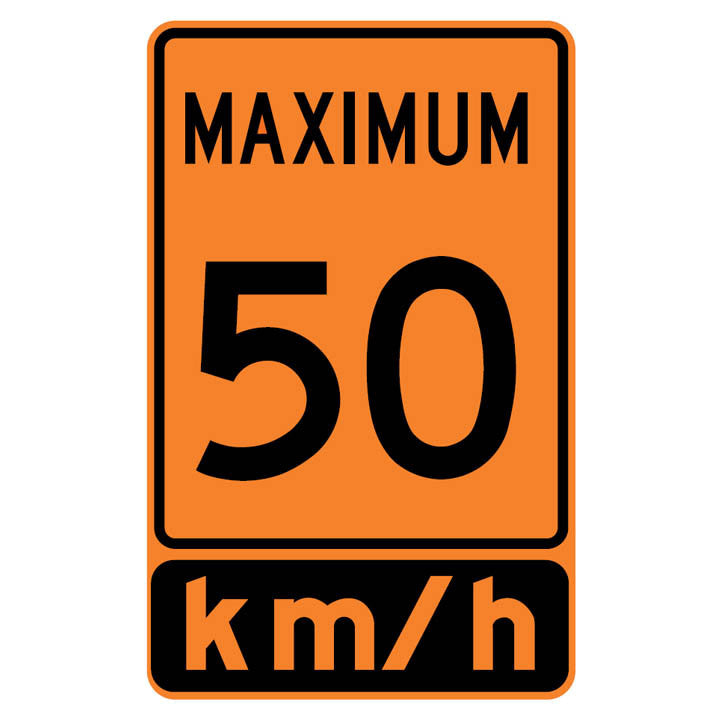
Unlike traditional speed limit signs — which drivers may ignore — radar systems interrupt attention and reinforce safer behavior. Some advanced units also store speeding data, helping traffic control companies analyze patterns and identify high-risk times of day.
These signs improve accountability as well. Some construction clients use the speed data to schedule police enforcement when necessary. Others use the information to redesign work zone layouts for better flow.
Connected Barricades and Smart Safety Devices

Barricades are essential for lane separation, work zone protection, and guiding traffic. Smart technology now enhances these familiar tools. Many modern barricades include reflective LED strips, motion sensors, and integrated communication modules.
For example, a barricade can detect when it has been hit or moved out of place. It then sends an alert to a central system, ensuring crews can respond quickly before drivers become confused or enter restricted areas.
Water-filled barricades — often chosen for their flexibility and impact absorption — can now be equipped with GPS tags so teams can track their placement and condition over long projects.
Even lighting has improved. Smart barricades turn on automatically at dusk or during poor visibility, removing the need for manual adjustments and ensuring consistent safety.
Advanced Communication Systems: Connecting Workers, Drivers, and Equipment

In the past, construction zones did not allow seamless communication. Workers relied on radios, manual signals, or stationary signage. Today, technology bridges these gaps.
Connected communication platforms now link workers, supervisors, and smart devices. If a lane shift is required suddenly, digital signs update instantly. Workers no longer need to manually move signs or flags while standing near traffic.
Some systems also integrate with mapping apps such as Google Maps or Waze, automatically updating detours or lane closures. Drivers learn about slowdowns or changes before they even reach the construction zone, reducing last-minute braking or merging.
This communication creates a safer environment for all road users. When information flows instantly, confusion disappears, and accidents become far less likely.
Drones, Cameras, and Remote Monitoring

Traffic control in construction zones no longer requires someone physically monitoring every movement. Drones and high-definition cameras allow teams to oversee large work zones from a safe and elevated perspective.
Drones can inspect barricade lines, identify blind spots, and monitor traffic buildup without putting workers at risk. Remote cameras provide continuous visibility, especially during nighttime operations. If a barricade shifts or a vehicle enters an unsafe area, supervisors know immediately and can respond.
For traffic control companies, these tools reduce labor costs and increase accuracy. They also create documentation that can help with reporting, insurance claims, and improving future traffic control plans.
Smart Lighting and Visibility Enhancements

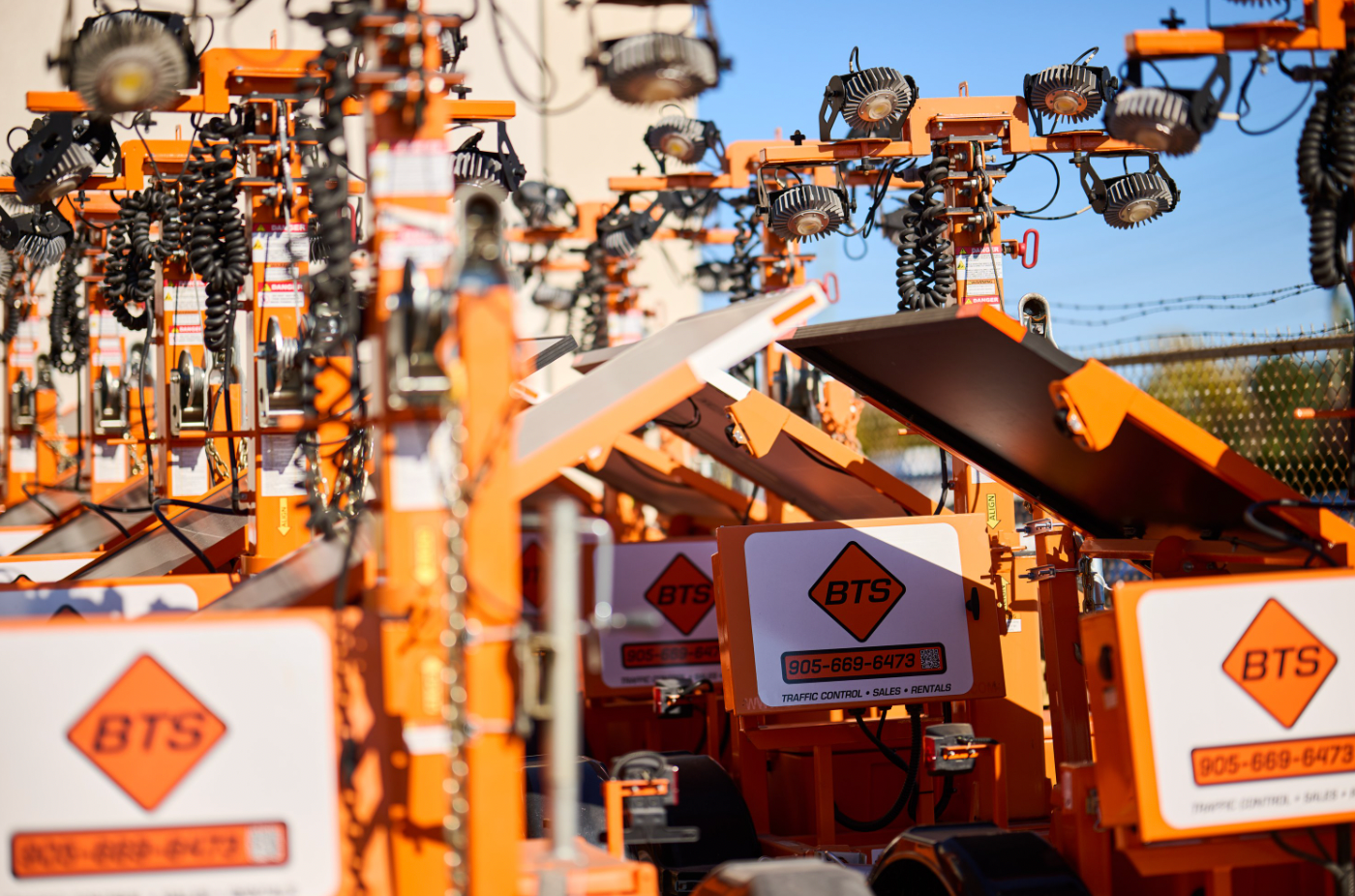
Visibility is a major factor in construction zone collisions. Smart lighting systems now help guide drivers more effectively than ever before. LED-based lighting towers adjust brightness automatically based on visibility. Some lighting systems can change color when lanes shift or hazards appear.
Glow-in-the-dark pavement markings, reflective panels, and solar-powered warning beacons add layers of safety that outperform traditional reflectors. When visibility is clear and consistent, drivers stay calm and move predictably — reducing crashes and keeping workers safe.
How Smart Tech Helps Traffic Control Companies Plan Better

With access to traffic analytics, weather trends, real-time monitoring, and automated equipment, traffic control companies can plan more accurate, efficient, and safe projects.
Instead of guessing where barricades should go, planners use data to predict high-risk areas. Instead of relying on manual labor for every step, teams use automated tools for timing, alerts, and communication. This reduces mistakes and improves compliance with safety standards.
Smart systems also help companies adjust plans in real time. If traffic becomes heavier than expected, digital signs update instantly. If an emergency vehicle needs access, automated barriers may shift or signal lights may pause traffic.
Overall, smarter planning leads to fewer accidents, smoother travel, and better public cooperation.
The Future of Traffic Control: Fully Connected Work Zones

Looking ahead, construction zones will become even more connected. Autonomous vehicles will communicate directly with smart signs and barricades. AI systems will predict driver behavior and adjust traffic flow automatically. Sensors will detect hazards before humans notice them. And real-time communication will become standard.
The construction zones of the future will operate like small, temporary smart cities — flexible, responsive, and highly protected.
Smart technology is reshaping traffic control in construction zones, making them safer, faster, and more predictable. From automated signals to radar speed signs, connected barricades, drones, and real-time communication tools, today’s construction environments benefit from powerful digital systems that reduce risk and keep traffic moving smoothly. These innovations help drivers understand what to do, help workers stay protected, and help planners maintain full control over changing conditions.
If you want reliable equipment to support safe and modern traffic setups — from smart signage to barricades — you can always get high-quality, dependable solutions from Barricade Traffic Services.